Hey there, if you’ve ever grabbed a shampoo bottle, a food jar, or a random container from the hardware store, you’ve probably glanced at the little sticker that tells you what’s inside—all without giving the plastic label a second thought. But as a plastic label supplier, I get asked this question all the time: “What even are those labels made of, anyway?” It’s not just a random plastic scrap slapped on your product, and when I explain it, customers often go, “Wait, that’s way more specific than I thought!” So let’s break this down like we’re chatting over a coffee (minus the coffee spill, obviously). Plastic Label
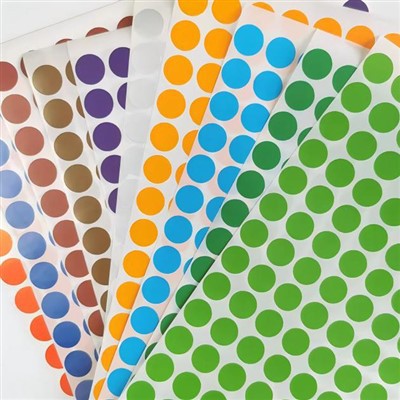
First off, let’s get one thing straight: plastic labels aren’t a single material—they’re a whole lineup, each built for a specific job. You can’t use the same thin, stretchy stuff for a soda can label that you’d use for a heavy-duty construction chemical jug, right? I’ll walk through the most common ones we actually work with day-to-day, no boring textbook jargon (promise).
Let’s start with the big one that’s everywhere: Polyethylene Terephthalate, or PET. If you’ve seen a clear, glossy label on a water bottle, a snack bar wrapper, or even a cosmetics tube, that’s probably PET. It’s rigid enough to hold its shape, but thin enough to print on like a dream—we use this one for 60% of the food and beverage labels we make, and for good reason. It doesn’t smudge when we print nutrition facts, it’s resistant to a little moisture (perfect for condensation on a cold lemonade bottle), and it’s recyclable—something a lot of our customers care about these days. Wait, but don’t mix it up with the PET plastic in water bottles themselves—label PET is thinner, usually around 1 to 3 mils, so it doesn’t cost as much, but it works just as well for its job. I had a client last month who switched from paper labels to PET because their product was sitting in a damp warehouse, and the paper was falling apart—PET fixed that immediately.
Next up, if you’ve ever seen a label that stretches to wrap around a curved soda can or a wine bottle with a super tight neck? That’s Polypropylene, or PP. This stuff is stretchy. Like, really stretchy. It’s why a label on a slim can of sparkling water doesn’t have gaps when it goes from flat to bubbly inside. PP is also great for high-heat situations—think labels on bottled water that get left in a hot car, or even labels on the inside of a microwaveable food container (yes, those exist). We use PP a lot for beverage cans and packaging that goes through heat tunnels to shrink onto the container—wait, right, shrink labels are usually a form of PP too. When you heat that label with steam or hot air, it tightens to fit the container so perfectly you can barely tell where it ends. The only downside? PP is a little more finicky than PET if it gets too cold—we’ve had a few winter projects where the PP label cracked if it was applied in a 30°F warehouse, so we adjust our adhesives for that.
Then there’s Low-Density Polyethylene, or LDPE, the underdog of the group. LDPE is soft, flexible, and kind of squishy—think the labels on squeeze tubes of toothpaste, yogurt cups, or even bread bags. It’s not rigid like PET, so it can bend with the container instead of fighting it. We love LDPE for products that get folded or squished a lot—like a travel-sized hand sanitizer that goes in your purse, or a flexible packaging bag. It’s also super cheap, which is a big plus for bulk orders. A lot of small businesses start with LDPE labels because it’s budget-friendly, and they upgrade to PET or PP once their product takes off. The only catch? LDPE doesn’t take super fine prints as well as PET, so we save it for designs that aren’t too detailed.
Wait, let’s not forget about High-Density Polyethylene, or HDPE. This one’s stiffer than LDPE, a little thicker, and usually opaque—think the labels on laundry detergent jugs, shampoo bottles, or milk cartons. HDPE is resistant to harsh chemicals, so if your label is sitting next to bleach or dish soap, it won’t dissolve or peel off. We use HDPE for industrial and household cleaning products all the time. It’s also pretty durable—if a jug gets dropped down a warehouse loading dock, the HDPE label is unlikely to tear. I had a industrial cleaning client last year who tried paper labels, and they were peeling off after one wash cycle—switched to HDPE, and haven’t had a complaint since.
Now, here’s the part I wish more people talked about: the stuff that makes the label stick. Adhesives. That’s a whole other material we have to pick, because a label on a cold milk jug needs a different glue than a label on a hot wax container. We have permanent adhesives that stay on until you intentionally peel the label off, and removable adhesives that come off easily—great if you’re labeling a jar you want to reuse for storage, like a mason jar. There are also freezer adhesives that don’t fail when the label is in a freezer, and high-temperature adhesives that work for products like candles that get warm on a shelf. Picking the right adhesive is almost as important as the label material itself—we’ve messed this up a couple times early on, so now we test every adhesive with the product before shipping, just to be safe.
Wait, what about those labels that feel like paper, but are actually plastic? Oh right! Biaxially Oriented Polypropylene, or BOPP. That’s the fancy one for labels that look matte or like textured paper but are actually plastic. A lot of premium food brands use BOPP because it looks more high-end than regular PET, but it’s still plastic so it’s moisture-resistant. We use BOPP for gourmet jam jars, craft beer labels, and skincare products—things where the design is almost as important as the product inside. It can be glossy or matte, embossed, foil-stamped—you name it, BOPP can handle it. Customers love it because it feels authentic, and we love it because it’s durable.
Now, let’s get real for a second. A lot of people see “plastic label” and think it’s bad for the environment. But here’s the thing I tell every new customer: plastic labels are actually recyclable with the container they’re on, as long as they’re made of the same plastic as the bottle or jar. For example, a PET label on a PET water bottle can be recycled together, which cuts down on waste. We’ve started offering recycled-content plastic labels too—made from post-consumer waste plastic, so they’re even more eco-friendly. It’s not perfect, but it’s way better than people think. Paper labels might seem greener, but they fall apart in the rain or get torn off easily, which can be more waste in the long run.
I get it, choosing the right label material can feel overwhelming. Do you need something that’s cheap? Stretchy? Chemical-resistant? Matte? Glossy? That’s where we come in. As a supplier, we don’t just sell labels—we help you figure out what’ll work for your product. Last quarter, I worked with a small skincare brand that was using LDPE labels on their face lotion, but their customers were saying the labels were too thin and felt cheap. We switched them to BOPP, gave them a matte finish, and added a removable adhesive so people could reuse the lotion jars. Their sales went up 20% a month after the rebrand—little changes make a big difference.

If you’re a product owner, a marketing manager, or someone in charge of packaging, don’t sleep on your labels. They’re the first thing people see, and they need to work as hard as the product inside. Whether you’re a small startup just getting off the ground, or a big company with a warehouse full of products, we can help you pick the right material, the right adhesive, and the right design. No awkward sales pitch, no complicated lingo—just someone who knows labels inside and out, and wants to make sure your packaging works for you.
Zinc Label If you’re ready to chat through your project, don’t hesitate to reach out. We can talk about your product, your budget, and what you need your labels to do. No matter how big or small your order is, we’ve got you covered.
References:
- Plastics Industry Association. (2023). Flexible Packaging Materials: Types and Applications.
- Society of Plastics Engineers. (2022). Label Materials for Food and Beverage Packaging.
- Recycling Partnership. (2023). How to Recycle Plastic Labels.
Guizhou Mingguan Sign Nameplate Products Co., Ltd.
We’re well-known as one of the leading plastic label manufacturers and suppliers in China. With abundant experience, we warmly welcome you to wholesale bulk customized plastic label at low price from our factory. For quotation and free sample, contact us now.
Address: Xinpu New District, Zunyi City, Guizhou Province of China
E-mail: zhangyixuanmglabel@126.com
WebSite: https://www.mingguan-label.com/
