Hey everyone, let’s cut to the chase—if you’re in the market for metal materials, you’ve probably stumbled on copper and brass more times than you can count. As a copper supplier who’s spent 12 years talking fabricators, electricians, plumbers, and DIYers through their choices, I’ve lost count of how many folks mix these two up, or think they’re the exact same thing. Spoiler: they’re not. And picking the wrong one for your project can turn a quick job into a costly headache fast. Let’s break this down straight, no textbook jargon, just real talk from someone who works with copper every single day. Copper

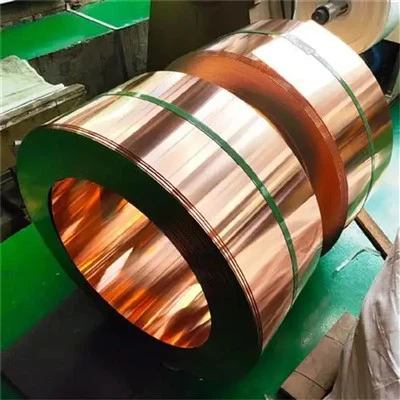
First off, let’s start with the basics: what even is copper? It’s an element, plain and simple—atomic number 29 on the periodic table, pure stuff. You can hold a copper wire or a copper pipe in your hand, and what you’re touching is 99%+ copper, maybe a tiny trace of other metals thrown in during mining or processing, but for all intents and purposes, it’s unalloyed. That purity is why copper is such a rockstar for so many industries. For starters, it’s one of the best electrical conductors out there—only silver beats it, and silver’s way too expensive for mass use. Ever seen a phone charger cable? That’s copper, because it moves electricity without losing too much heat. Same with the wiring in your walls, the coils in your AC unit, even the little pins on a circuit board. It’s also a fantastic thermal conductor—your pots and pans that heat up evenly? A lot of the best ones have a copper core. And let’s not sleep on its corrosion resistance. If you leave a copper pipe outside, it’ll develop that green patina over time, but that patina actually seals the metal in, so it doesn’t rust or break down fast. That’s why copper’s been used for plumbing for thousands of years—Roman lead pipes were garbage compared to copper, fyi.
Now, brass. Brass isn’t an element—it’s an alloy, a mix. Specifically, it’s copper plus zinc, usually somewhere between 5% and 45% zinc, depending on what they’re making it for. That’s the big difference right there: copper is pure, brass is a blend. The ratio of zinc changes brass’s properties a lot, too. Low-zinc brass is softer, easier to machine, while high-zinc brass is harder, more resistant to corrosion. I’ve seen guys come in asking for “copper valves” for a marine project, and sometimes they actually mean brass—because saltwater eats pure copper way faster than brass, the zinc adds a barrier that fights corrosion. That’s why brass is used for things like doorknobs, locks, plumbing fixtures, even musical instruments—trumpets and trombones are brass, duh. Also, fun fact: brass is antimicrobial. Hospitals love brass doorknobs because bacteria die on their surface way quicker than on steel or plastic. That’s a big one during germ season.
Let’s get into the nitty gritty stuff that actually matters when you’re choosing between the two. Let’s start with conductivity. Pure copper wins here, hands down. Like, way faster than brass. That’s why if you’re dealing with electricity—wiring, bus bars, motor windings, any component that needs to move current efficiently—copper is the only way to go. Brass has zinc in it, which disrupts the electron flow, so it’s a bad conductor. I once had an electrician come to me with a weird problem: he used a brass bolt to connect a circuit, and it kept tripping the breaker. Turned out the brass was too resistive, so it heated up and threw off the current. That’s a mistake no one wants to make.
Next, strength and machinability. Brass is way easier to cut, drill, shape, and mold than pure copper. Copper is soft—like, you can bend a thin copper pipe by hand if you’re not careful. Brass is harder, stiffer, so it holds its shape better. That’s why you see brass fittings that are pressed or machined into specific angles; you can’t machine pure copper into a threaded fitting easily, it’ll stretch or warp. On the flip side, if you need something flexible—like a coil for a HVAC system, or a flexible hose for a refrigerator—copper’s softness is a superpower, not a flaw.
Corrosion resistance is another big one. Pure copper does great in most environments, except for things like saltwater or strong acids. Brass, with its zinc content, is better at resisting salt corrosion, which is why it’s the go-to for boat parts, outdoor fixtures near the ocean. But wait—there’s a catch here. When copper and brass are connected in the presence of water, they cause galvanic corrosion. That’s a fancy way of saying one metal eats the other. I’ve seen plumbers connect a copper pipe to a brass fitting, no dielectric union, and within a year the brass fitting was pitted and leaking. That’s a avoidable mistake, so if you’re mixing the two, you need a separator.
Cost-wise, since brass is mostly copper plus cheaper zinc, it’s usually a bit less expensive than pure copper, right? But not always—if it’s a specialty brass with extra elements added (like lead for machinability, or manganese for strength), it can be pricier. Pure copper prices fluctuate a lot with commodity markets, so sometimes copper is cheaper, sometimes brass is. It really depends on what grade you’re looking at.
Let’s talk about common uses, because that’s where people get confused the most. Pure copper uses: electrical wiring (residential, commercial, automotive), plumbing pipes and tubes, heat exchangers, roof and gutter systems, automotive radiators, and that copper cookware everyone loves for even heating. It’s also used in coins—pennies these days are 97.5% copper, 2.5% zinc, wait no—wait, no, the penny’s core is zinc, plated with copper. My bad, that’s a fun fact I messed up earlier. Pure copper is also used in renewable energy—solar panels, wind turbines, because they need tons of copper for wiring and components. That’s a huge growth area right now, and it’s why copper demand’s been shooting up the past few years.
Brass uses: plumbing fittings (valves, faucets, pipe nipples), door hardware (knobs, hinges, locks), musical instruments, decorative trim, ammunition casings, marine hardware, and even some electrical parts where corrosion resistance matters more than conductivity. Oh, and those antique-looking light fixtures? Most of them are brass. Also, remember that antimicrobial thing I mentioned? Public transit handrails, hospital surfaces, even grocery cart handles are often brass, because it kills bacteria like E. coli and staph in a matter of hours. That’s a big selling point for brass in public spaces.
Wait, let’s clear up a common misconception: a lot of people think copper and brass are interchangeable for projects, but that’s rarely true. If you’re rewiring your house, brass wire won’t work. If you’re building a ship’s propeller shaft, pure copper will corrode and break in saltwater. I once had a contractor come to me with a batch of “copper bolts” he ordered, and they were actually brass. He tried using them on a bridge project, and within six months, they were corroded because bridge runoff has acid in it, and pure copper isn’t resistant to that. He had to replace all of them at his own cost—total nightmare. That’s exactly why I make it a point to ask clients 5 or 6 questions before they order: what’s this part for? What environment will it be in? What’s the size or grade they need? Too many people just say “I need copper” and don’t realize brass is a better fit for their actual job.
Another thing: finishes. Copper has that warm, reddish-orange color when it’s new. Over time, it develops that brownish tone, then the green patina I mentioned earlier. Some people love that patina for outdoor decor, others don’t, so you can seal it with a clear coating to slow that down. Brass is a bright, yellowish-gold when it’s new. It can tarnish over time, turning a dull brown, but you can polish it to get that shiny look back. A lot of folks mix up the colors, too—if you see a reddish metal, it’s almost definitely copper. Yellow is almost always brass. That’s a quick visual check anyone can do, no lab needed.
Now, let’s talk about grades, because not all copper or brass is created equal. For copper, there’s C11000, which is electrolytic tough pitch (ETP) copper—the most common stuff, used for wiring and plumbing. Then there’s C12200, which is deoxidized copper, often used for plumbing fittings because it has better corrosion resistance. For brass, there’s 360 brass (free machining brass), which has lead added to make it easy to cut—super common for doorknobs and fittings. There’s also 260 brass (cartridge brass), which is soft, good for deep drawing, like bullet casings. And 70/30 brass, which has more zinc, harder, better for marine use. Knowing the grade matters because using the wrong grade can ruin your project. I’ve had a few small business owners come in with a broken machine part, and when I looked at their old part, it was the wrong brass grade for the stress it was under. We got them the right one, and it lasted way longer.
As someone who’s been a copper supplier for over a decade, I can tell you that the biggest mistake people make is not thinking through their project’s specific needs. I’ve seen folks pay extra for pure copper when brass would’ve been just as good, and I’ve seen folks try to save money with brass for an electrical job where pure copper was non-negotiable. It’s not that one is better than the other—it’s that they’re for different jobs. Copper is the conductivity, flexibility, and corrosion for non-saltwater environments king. Brass is the machinability, strength, and saltwater corrosion resistance guy. That’s the simplest way to remember it.
Wait, let’s address a few questions I get all the time. First: is brass heavier than copper? No, actually—zinc is lighter than copper, so brass is a bit lighter than pure copper of the same size. But the difference is tiny, you won’t notice it unless you’re comparing large batches. Second: can you solder copper to brass? Yes, but you have to use the right solder and flux, and make sure you don’t mix up the types of solder (copper solder vs. brass solder). Also, if you don’t use a dielectric union in between, you’ll get galvanic corrosion like I mentioned earlier. Third: is copper more expensive than brass? Like I said before, it swings. Over the past couple years, copper has been pretty pricey because of the renewable energy boom, so sometimes brass is cheaper. But when commodity prices drop, copper can be the better deal. It’s always good to check current market prices before you order, and a reliable supplier will help you with that, not just push whatever’s most profitable.
Another thing I love about copper—its recyclability. Pure copper is 100% recyclable, no loss of quality, and a ton of the copper used today is already recycled. That’s a huge plus for people who care about sustainability. Brass is recyclable too, mostly because it has copper in it. So whichever you pick, if it’s metal, you can recycle it when you’re done with it, instead of throwing it in a landfill. That’s a big one for contractors and builders who are looking for eco-friendly materials.
Now, if you’re someone who’s working on a project—whether it’s a DIY backyard fountain, a commercial electrical install, a marine repair, or just replacing your kitchen faucet—don’t waste time guessing which one you need. A lot of people just Google “copper vs brass” and get generic answers, but no two projects are the same. I’ve had a guy come in last month who was building a custom rain gutter system for his house; he thought he needed brass trim, but I pointed out that pure copper would hold up better to the weather and age to that nice patina he wanted. Another customer was a plumber who needed fittings for a commercial kitchen; we recommended 360 brass because it’s easy to machine and resists the grease and chemicals in commercial kitchens.
Here’s the thing: I’m not here to sell you copper if brass is the better fit. As a supplier, my job is to get you the right material for your job, so you don’t have to redo it a year later. I’ve seen way too many people lose money by picking the wrong metal, and that’s the last thing I want for my clients. Whether you need thin copper wire, thick plumbing pipes, brass fittings, custom machined parts, or something in between, I’ve got the inventory and the know-how to help you out.
If you’re gearing up for a project, or you’re just curious about what you need, hit me up to chat. No sales pitch, no pushy stuff—just someone who knows copper and brass inside and out, ready to answer your questions, help you pick the right material, and get you the right grade at a fair price. I’ve been doing this for 12 years, and I’ve worked with everything from small DIYers to big construction companies, so I can help you no matter the size of your job.
Brass Fittings References:
- Copper Development Association. (2023). Properties and Applications of Copper.
- Brass World. (2022). Alloy Fundamentals: Copper-Zinc Alloys.
- International Association of Plumbing and Mechanical Officials (IAPMO). (2021). Galvanic Corrosion in Plumbing Systems.
- antimicrobial properties of copper and brass. (2020). Journal of Hospital Infection.
Henan Gnee New Material Co., Ltd.
Henan Gnee New Material Co., Ltd. is one of the leading copper manufacturers and suppliers in China. We warmly welcome you to buy cheap copper for sale here from our factory. All customized copper products are with high quality and competitive price.
Address: 25th Floor, Huafu Commercial Center, Anyang, Henan Province, China
E-mail: sales@gneemetal.com
WebSite: https://www.chinacopperalloys.com/
