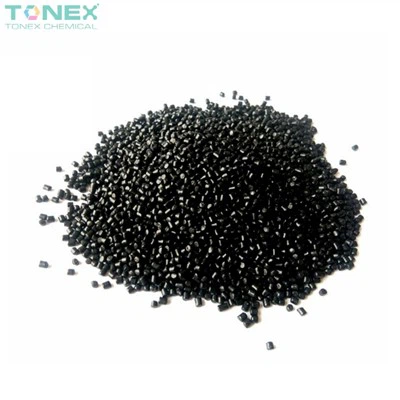
As a masterbatch supplier who has worked closely with construction material manufacturers for over a decade, I’ve watched how a tiny, color- and additive-concentrated polymer blend revolutionizes the built environment—one wall panel, window frame, or pipe at a time. When I first started in this industry, most construction teams saw masterbatch as nothing more than a fancy way to add color to plastic parts. Today, it’s a critical component that boosts durability, safety, and sustainability in ways that would have been unthinkable 20 years ago. If you’re in construction, or work with material specifiers, understanding how masterbatch is applied here could save you time, cut costs, and make your projects last longer. Masterbatch
Let’s start with the most obvious use case: color and aesthetics. Think about any modern building you’ve walked into—its window frames, cladding, or interior partitions are almost certainly colored with masterbatch. Early construction plastics were limited to drab, uniform shades; if you wanted a custom color, you had to add pigments directly to the resin, which often led to inconsistent results, wasted material, and high labor costs. Masterbatch solves that. It’s a pre-blended mixture of pigments, carrier resin, and additives, so when manufacturers mix it into their base resin (like PVC, HDPE, or PP), they get a uniform, fade-resistant color every single time. For example, a residential developer wanting soft gray window frames for a subdivision doesn’t have to risk running out of mid-production or ending up with mismatched hues—masterbatch lets them source a consistent color that matches the neighborhood’s design standards. Commercial buildings, too, rely on this: corporate campuses often use branded cladding in exact company colors, and masterbatch ensures the finish stays sharp for 20+ years, even in harsh sun or rain.
But aesthetics are just the tip of the iceberg. The real game-changers are the functional masterbatches that make construction materials safer and more durable. Take UV stabilizer masterbatch, for instance. Outdoor materials like decking, siding, and utility pipes are exposed to constant sunlight, which breaks down polymer resins over time. Without UV stabilizers, those materials would crack, fade, and degrade in just a few years. Last year, a client of ours— a municipal contractor in the American Midwest—shared that switching to UV-stabilized masterbatch for their water distribution pipes extended the pipes’ lifespan from 10 to 25 years. That’s a huge win for public budgets, since pipe replacement is one of the most costly municipal infrastructure projects. UV stabilizer masterbatch works by absorbing or neutralizing UV radiation before it can damage the polymer chains, so even in regions with intense sunlight (like Arizona or southern Spain), materials stay intact and functional.
Then there’s flame retardant masterbatch, a non-negotiable for construction materials in most building codes. Traditional methods of adding flame retardants to plastics often hurt material flexibility, or leach out over time, reducing effectiveness. Our flame retardant masterbatch is formulated to disperse evenly in the resin, so it doesn’t compromise the structural integrity of parts like electrical conduit, wall panels, or window frames. In the event of a fire, these masterbatches release a protective char layer on the material’s surface, which slows the spread of flames and reduces toxic fumes—two factors that save lives. A few years back, we worked with a team manufacturing modular office buildings; they had to meet strict fire safety standards for commercial construction, and flame retardant masterbatch was the only way to hit those targets without making their panels too heavy or expensive.
Thermal stabilizer masterbatch is another critical application, especially for materials that undergo high-heat processing during manufacturing. Think about extruded plastic pipes or injection-molded window components. If the resin isn’t stabilized at high temperatures, it can degrade mid-processing, leading to wasted parts and production delays. Our thermal stabilizers prevent that, letting manufacturers run their machines at full capacity without sacrificing material quality. We also use this for materials that face extreme temperature fluctuations once installed—like metal roofing paired with plastic underlayment, which expands and contracts with heat and cold. Thermal stabilizer masterbatch keeps the plastic from becoming brittle in winter or warping in summer, ensuring the underlayment stays sealed and watertight.
Sustainability is a huge buzzword in construction right now, and masterbatch is playing a key role here too. Let’s talk about recycled plastic. More and more construction materials are made from post-consumer recycled (PCR) plastic, but recycled resin often has inconsistent color, impurities, and lower performance than virgin resin. That’s where color masterbatch and compatibilizer masterbatch come in. Compatibilizer masterbatch helps blend different types of recycled plastics (like HDPE from milk jugs and PP from car parts) into a uniform material, so it’s strong enough for decking or fencing. Color masterbatch can mask the gray or brown tint of recycled plastic, making the final product look like new without using virgin resin. A colleague at a company that makes recycled plastic decking told me that using masterbatch let them cut virgin resin use by 40% last year, reducing their carbon footprint while keeping their products competitive in the market.
We also make masterbatches for antistatic properties, which are essential for materials in industrial construction—like electronics manufacturing facilities or warehouses with sensitive equipment. Antistatic masterbatch prevents the build-up of static electricity, which can damage electronics or even ignite flammable materials. Our antistatic masterbatch works by migrating to the surface of the plastic part, where it absorbs moisture from the air, creating a conductive layer that dissipates static. That’s a must for cleanrooms and tech parks, where even a small static spark can cost thousands in damaged equipment or shutdowns.
Then there’s anti-microbial masterbatch, a fast-growing area in healthcare and public construction. Hospitals, schools, and public transportation hubs need surfaces that resist bacteria, mold, and mildew. Our anti-microbial masterbatch is infused with silver ions or zinc additives, which kill 99% of common pathogens like E. coli and staph. It’s used in wall panels, door handles, and even plastic tiles in restrooms. During the pandemic, a number of our clients switched to anti-microbial masterbatch for their office partitions, responding to demand for safer indoor spaces. Unlike topical coatings, which wear off over time, anti-microbial masterbatch is part of the material itself, so it stays effective for the life of the product.
I should also mention masterbatch for weatherability, which is different from UV stabilizers. Some materials, like coastal construction (beachfront decking, marina pilings), face saltwater, high humidity, and strong winds. Our weatherability masterbatch combines UV stabilizers with corrosion inhibitors and moisture barriers, so the materials don’t degrade from salt spray. A marina client in Florida told us their pilings made with our weather-resistant masterbatch needed no repairs for 8 years, whereas their old pilings (without masterbatch) had to be replaced every 3— a massive savings.
Now, I want to be honest: not all masterbatches are created equal. Early on, I saw some suppliers cut corners on carrier resin, which meant the masterbatch didn’t disperse evenly, leading to weak parts or uneven color. That’s why it’s important to work with a masterbatch supplier who understands construction’s unique demands. Construction materials aren’t made for lab tests—they’re made to hold up to 20+ years of real-world use: foot traffic, temperature swings, chemicals, and impact. A good masterbatch is formulated to work with the specific resin a manufacturer uses (PVC, HDPE, PP, etc.) and meets industry standards like ASTM or ISO.
Take impact modifier masterbatch, for example. It’s used for materials like plastic fence posts or window frames, which need to resist being hit by a baseball or a falling branch. Impact modifier masterbatch adds flexibility to the rigid polymer, so it doesn’t crack on impact. We’ve had clients who tried cheaper impact modifiers from overseas, only to find their posts cracking in the first winter. Our impact modifiers are tailored for cold climates, so the plastic stays flexible even at 0°F, which is a dealbreaker in places like Minnesota or Canada.
Another point: cost efficiency. A lot of construction teams assume that adding masterbatch will make materials more expensive, but the opposite is often true. When you use pre-formulated masterbatch, you reduce waste from pigment spills, inconsistent mixing, and damaged parts during production. You also don’t need extra labor for on-site color mixing, which saves time on the factory floor. Our clients typically see a 10-15% reduction in production costs after switching to our masterbatches, without sacrificing quality.
Looking ahead, the future of masterbatch in construction is tied to circular economy goals. We’re currently developing bio-based masterbatches, made from plant-based pigments and carrier resins, that work with biodegradable construction plastics. There’s also growing demand for traceable masterbatches, so manufacturers can track every component of their materials for sustainability reporting. With governments around the world mandating more recycled content in construction materials, masterbatch will be the bridge that lets recycled plastics meet the performance and aesthetic needs of modern builds.
If you’re a construction manager, material specifier, or manufacturer working on a project—whether it’s a residential subdivision, a commercial office tower, or a municipal infrastructure upgrade—don’t overlook the role masterbatch plays. It’s not just an add-on; it’s a way to make your materials safer, longer-lasting, and more sustainable. Every project is unique, and the right masterbatch can be customized to your specific needs: whether you need a custom color, flame resistance for a high-rise, or anti-microbial properties for a healthcare facility.
I’ve been in this industry long enough to know that the best projects are built with attention to every detail, and masterbatch is one of those details that makes a big difference. If you’re looking to improve your construction materials, reduce costs, or meet new sustainability standards, I’d be happy to chat through your specific needs and how our masterbatch solutions can help.
HALS Light Stabilizer Reference
- Modern Plastics. (2022). Masterbatch Applications in Construction: A Industry Guide.
- ASTM International. (2021). Standard Practice for Testing the Weatherability of Plastic Building Materials.
- Construction Plastics Association. (2023). Sustainability in Construction Materials: The Role of Masterbatch.
- Journal of Applied Polymer Science. (2020). Performance of UV-Stabilized Polyethylene Pipes for Municipal Water Infrastructure.
- Healthcare Engineering Journal. (2022). Anti-Microbial Masterbatch for Public Construction Surfaces.
Jinan Tonex Chemical Co., Ltd.
We’re well-known as one of the leading masterbatch manufacturers and suppliers in China. With abundant experience, we warmly welcome you to buy bulk high quality masterbatch for sale here from our factory. For price consultation, contact us.
Address: No.3699 Huayuan East Road, Jinan, Shandong, China
E-mail: yama@tonexchem.com
WebSite: https://www.tonexoba.com/
