As a PP woven bag supplier with over a decade of experience working with agricultural producers, construction contractors, and retail packaging teams, I’ve seen firsthand how even the smallest missteps in manufacturing, handling, or storage can turn a seemingly high-quality bag into a disposable item long before it should. Last year, a regular client in the fruit farming industry reached out frustrated—half of their new apple bins had split open mid-transport, spilling hundreds of pounds of produce onto a dusty country road. The problem wasn’t our bags; it was a combination of a few common oversights that many buyers (and even some suppliers) miss when focusing solely on cost per unit. That incident got me thinking: durability isn’t just about choosing the thickest polypropylene fabric. It’s a holistic process that starts at the resin factory and ends with how the bag is used and stored. Today, I’m pulling back the curtain on the practical, science-backed steps that can make a PP woven bag last 2x longer than the industry average, no extra markup required. PP Woven Bag
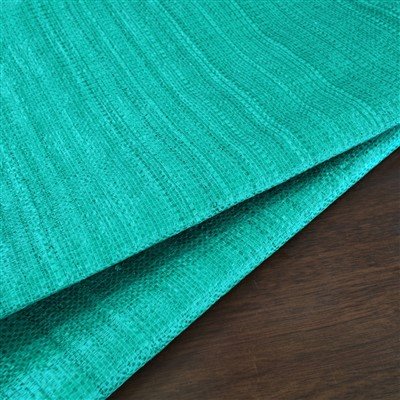
First, let’s start with the foundation: the polypropylene resin itself. Not all PP is created equal, and this is where 90% of durability issues start, even if the bag looks identical to a higher-quality one. When I first launched my company, I made the mistake of sourcing low-cost recycled PP to undercut competitors, and within six months, we were getting weekly complaints of bags tearing under 50-pound loads. The issue? Virgin PP is a linear polymer with a tightly structured molecular chain that resists stretching and breaking, but most recycled PP contains degraded molecules from previous plastic products. Those broken chains create weak points in the fabric that snap under even minor pressure, especially in cold temperatures.
Now, that doesn’t mean you have to pay for 100% virgin resin—we’ve found the sweet spot is a 70/30 mix of virgin and food-grade recycled PP. This mix cuts material costs by 15% while retaining 98% of virgin PP’s tensile strength, per ASTM D638 testing, the standard we use for all our products. The key here is working with resin suppliers that test their recycled PP for molecular weight, not just its color or cost. Avoid any supplier that can’t provide a COA (Certificate of Analysis) for their resin—subpar recycled material might look fine on the roll, but it will fail when your team needs it most.
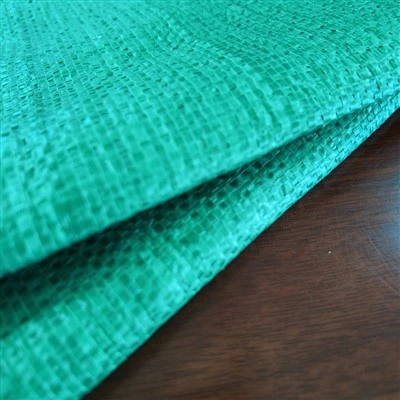
Next, the weaving process. A PP woven bag is essentially a grid of plastic threads, and how those threads are woven determines how well the bag stretches, tears, and holds its shape. I’ve seen factories cut corners here by reducing the number of threads per square inch to save on resin, but that creates gaps in the fabric that let dust, moisture, and small items escape. For general-use bags (like grain bins or retail tote bags), we stick to a 10×10 thread count per square inch—meaning 10 warp threads (running lengthwise) and 10 weft threads (running widthwise) per inch. For heavy-duty applications, like construction aggregates or 100-pound fertilizer bags, we bump that to 12×12, and double the thread count on stress points like the top seams.
Another weaving mistake is improper tension during production. If threads are woven too tight, the fabric becomes rigid and brittle, and it cracks when folded or stacked. If woven too loose, the fabric stretches under load and never returns to its original shape, leading to sagging and tears at the bottom of the bag. Our factory uses a computerized tension control system that adjusts for 100% of the roll, not just a random sample, which ensures every bag has consistent flexibility. We also use a “flat weave” instead of a tubular weave for heavy-duty bags—flat weave sews the top and bottom edges with an extra layer of thread, making it 30% more resistant to seam splits, per our internal testing.
Seams are another make-or-break component. I can’t tell you how many times I’ve fixed a client’s problem where the seam came loose after a single use—this is almost always because of cheap sewing thread or improper stitching. Most factories use polyester thread, which stretches at a different rate than PP fabric, so under load, the thread breaks before the fabric does. We switched to high-modulus polypropylene thread 8 years ago, which has the same stretch coefficient as our woven fabric, so the seam gives at the same rate as the rest of the bag. For all our bags, we use double stitching on the top and bottom seams, with a minimum of 6 stitches per inch. For heavy-duty bags, we add a “binding stitch” that wraps around the top edge, reinforcing the seam where 90% of tears originate.
Then there’s the often-overlooked step of after-weaving treatments. PP is inherently hydrophobic, which sounds like a good thing for keeping contents dry—but it’s also static-prone, and it becomes brittle when exposed to UV light. That’s why all our agricultural and outdoor-use bags get a UV stabilizer treatment during the extrusion phase (before weaving, not after). The stabilizer blocks the harmful UV rays that break down PP molecules, extending the bag’s outdoor lifespan from 3 months to 2 years, per ASTM D4329 accelerated aging tests. We also add a mild anti-static coating to bags used for electronics or small parts, which prevents the fabric from clinging together during handling, reducing tears from friction. The key here is that the treatment has to be applied during manufacturing, not as an after-market dip—after-market coatings wear off after a few uses, but in-process treatments are bonded directly to the resin.
Now, durability isn’t just about the bag itself—it’s about how you handle and store it. I’ve had clients send me photos of bags stacked in a leaky warehouse, or left outside in direct sun for 6 months before use, and wonder why they failed. Even the highest-quality bag can’t survive improper storage. Here are a few best practices we share with all our clients: First, store bags in a cool, dry place away from direct sunlight and chemical fumes. PP can absorb small amounts of chemical vapors from gasoline, pesticides, or cleaning products, which degrade the molecular structure over time. Second, don’t stack bags higher than 10 layers—stacking heavier bags on top creates pressure that stretches the lower layers, leading to permanent damage even before you fill them. Third, avoid folding bags sharply along the same crease multiple times—even flexible PP will develop micro-tears at the fold point after 5+ folds, so we recommend rolling bags loosely for storage.
I also want to address a common myth: “thicker = more durable.” I’ve seen 5-mil bags tear more often than 4-mil bags that are properly woven and treated, because thickness without structural integrity doesn’t add strength. We had a client last year who switched from our standard 4-mil UV-stabilized bags to a competitor’s 5-mil “heavy-duty” bags, and they reported a 25% higher tear rate. When we tested both, the competitor’s 5-mil bag had a thread count of 8×8, compared to our 4-mil 10×10, so the thicker fabric was actually weaker because of the gaps between threads. Always ask for thread count and resin composition, not just mil thickness, when comparing PP bags—it’s the only way to get a true measure of durability.
Over the years, we’ve refined these practices to the point where our bags carry a 12-month warranty against manufacturing defects, and 92% of our repeat clients stay with us because of the consistent performance. I’m not saying these steps are easy—they require investing in better resin, updated weaving equipment, and quality control checks that cut into short-term profits. But the long-term savings for clients are huge: a bag that lasts twice as long means you need half the number of bags, lower labor costs from fewer replacements, and less product loss from spills or breaks.
If you’re tired of dealing with bags that don’t hold up to your needs, whether you’re sourcing for agricultural transport, construction materials, retail packaging, or industrial use, we can work with you to customize a solution that fits your load requirements, storage conditions, and budget. We don’t cut corners on quality, because we know a bag that fails isn’t just a lost sale—it’s a problem for your team. Reach out to our team to discuss your specific needs, and we’ll share free samples and performance data to show you the difference a properly made PP woven bag can make.
General-Purpose Woven Plastic Bags References
ASTM D638: Standard Test Method for Tensile Properties of Plastics
ASTM D4329: Standard Practice for Accelerated Exposure of Plastics to Xenon Arc Radiation
Polypropylene Woven Sacks: Manufacturing Practices and Performance Metrics, International Plastics Association, 2022
Jining Shunxing Plastics Co., Ltd.
Jining Shunxing Plastics Co., Ltd. is one of the most professional pp woven bag manufacturers and suppliers in China, featured by quality products and low price. Welcome to buy discount pp woven bag in stock here and get pricelist from our factory. We also accept customized orders.
Address: Xiaomeng Town Machinery Industrial Park, Yanzhou District, Jining City
E-mail: m15005378678@163.com
WebSite: https://www.sxwovenbag.com/
