hey everyone, and welcome back to my little corner of the web! I’m Jake, and for the last 6 years, I’ve been running a small acrylic keychain supply business – yeah, I’m the guy you might’ve found on Etsy or local craft show booths, pulling all-nighters printing and cutting keychains until my eyes burned. I get questions all the time from new customers: “Are acrylic keychains actually durable? Or are they just cute little things that break after a week?” Today, I’m breaking this down straight from the supplier’s perspective – no fancy marketing fluff, just real stuff I’ve seen in the warehouse and on the roads of 1000+ orders we’ve sent out. Let’s get into it. Acrylic Keychain

First, let’s start with the basics: what is acrylic, anyway? A lot of people mix it up with plastic, and that’s where the confusion starts. Acrylic is actually a specific type of plastic – poly(methyl methacrylate), or PMMA if you want to sound like a nerd, but let’s be real, most of us just call it acrylic. It’s way different from the flimsy plastic water bottles or those cheap dollar store keychains that crack the second you drop them. I remember when I first started, I bought a bulk run of cheap acrylic from a random supplier just to test out pricing – big mistake. That stuff scratched if you breathed on it too hard, and half the time the edges were so rough they’d snag on jeans. Now, we only work with cast acrylic, not extruded – that’s a huge difference. Cast acrylic is formed by pouring liquid acrylic into molds and letting it cure, so it’s thicker, more consistent, way less likely to warp. Extruded is pulled through dies, so it’s thinner and has weaker internal bonds. That’s why if you ever see a keychain that splits right at the edge, it’s almost definitely extruded acrylic.
Now, durability is multi-faceted, right? It’s not just “can it take a drop” – it’s scratches, sun exposure, temperature changes, even how you use it. Let’s break each one down.
First up: impact resistance. I’ve had so many customers message me going, “My keychain fell off my bike and landed on concrete – is it broken?” More often than not, it’s not. I’ve tested this stuff myself – I’ve dropped a 3mm thick cast acrylic keychain (that’s the standard we use now) from waist height onto concrete, no cracks. I’ve even accidentally run over a stack of keychains with my work van (don’t ask, it was a bad day) and the only damage was a tiny scratch on one or two, not a single break. Now, that’s not to say they’re indestructible. If you drop a keychain onto a sharp corner, or throw it full force at a metal fence (yes, someone did that, and they were shocked it didn’t snap), maybe it’ll chip. But compared to glass – which is way more brittle – acrylic flexes a little before it breaks. That’s the key. It’s not rigid; it’s tough enough for everyday use. The cheap stuff? Extruded, thin, 2mm or less – that’ll shatter if you look at it wrong. Our standard is 3mm for most keychains, and 5mm for larger, heavier designs like round ones or anime characters that are a bit more bulky. We’ve had maybe 2 or 3 break in the last 6 years from regular use, and both were from customers who used it as a hammer (don’t do that, people).
Next, scratches. This is another big one. A lot of people think acrylic scratches super easily, like a phone screen without a protector. Wait, no – regular plastic scratches easy, acrylic is actually pretty scratch-resistant, especially when it’s polished correctly. We send each keychain through a buffing step after cutting, so the edges and front surface are smooth, not rough. Now, will a keychain scratch if you drag it along gravel, or scrape it against a metal toolbox? Yeah, eventually. But that’s the same as any keychain – even metal ones scratch. Here’s a test I did last month: I took a regular acrylic keychain from us, a cheap dollar store plastic keychain, and a metal one, and rubbed each against a piece of rough concrete 10 times. The dollar store plastic had deep scratches after 3 rubs. The metal one had a tiny scuff after 7. Our acrylic? Barely a visible mark, even after 10. That’s because acrylic has a Mohs hardness of about 2.5 – wait, what’s that mean? Mohs scale is for how scratch-resistant a material is – talc is 1, diamond is 10. Glass is around 5, so acrylic is softer than glass, but way harder than regular plastic. The only thing that’ll scratch acrylic more than, say, a metal key with a rough edge, but that’s normal for any keychain. If you’re super worried about scratches, we also offer a UV clear coating on the front of keychains – that adds an extra layer of protection, almost like a screen protector, and makes scratches way less likely to show up. I’ve had customers who use their keychains every single day for 2 years, and their keychains look almost brand new – no deep scratches, no fading. That’s the good stuff.
Then there’s sun exposure. Oh man, this is a common complaint. A lot of keychains fade if you leave them in the sun all the time, right? I’ve had customers message going, “My custom keychain’s design is all washed out after a few months hanging on my backpack.” Why does that happen? Two reasons: the ink they use for printing, and the acrylic itself. If you use a cheap, non-UV-resistant ink, yeah, it’ll fade fast. Same with cheap acrylic that has no UV inhibitor. When I started out, I used a regular inkjet printer for keychains – huge mistake. The ink would run in the rain, and fade so fast in the sun it was crazy. Now, we use UV-curable inks – those are inks that cure instantly with a UV light, and they’re made specifically to resist sun and water. Also, we add UV stabilizers to the acrylic resin when we make it – that keeps the acrylic itself from yellowing over time. Let me show you a test: I took two identical keychains, hung one on our warehouse window (direct sun 8 hours a day) and the other in a dark drawer. After 6 months, the drawer one was still clear, bright design. The window one had zero yellowing, almost no fading. Compare that to a cheap acrylic keychain I bought last year – after 2 months in the same sun, it was yellow, the design was unreadable. That’s the difference between using good materials and cutting corners. Now, if you leave your keychain in the sun 24/7 for 5 years, yeah, you might see a tiny bit of fading, but that’s way longer than most people keep a keychain. I’ve had repeat customers who order keychains for events, and they come back a year later to order more, saying the old ones still look great hanging on their office bags. That’s exactly what we’re going for.
Temperature changes. Acrylic is pretty resilient to hot and cold, right? Let’s be real, no one’s keychain is going in a freezer or a furnace, but regular everyday changes – leaving it in a hot car in summer, dropping it in the snow in winter – that stuff. I live in Minnesota, so winters are brutal, and summers get up to 95 degrees. Last winter, we did a test: we left a stack of keychains outside overnight at 10 below zero, then brought them inside and dropped them on concrete. No cracks, no breaks. This summer, I left one in my car on a 90-degree day for 8 hours, no warping. The cheap extruded acrylic? I left that in the same car, and it warped a little – not enough to break, but it bent out of shape so it didn’t fit on a keyring. That’s another big one: cast acrylic doesn’t warp easily because of how it’s cured. Extruded has a tendency to bend when it gets too hot, which can make the keychain look weird or even split at the edges. So if you’re in a place with big temperature swings, cast acrylic is the way to go – we use that for all our keychains, no exceptions.
Wait, what about use cases that break keychains? Like, hanging 10 pounds of keys on it, or using it as a bottle opener? Yeah, that’s user error, not the keychain’s fault. A standard keychain is designed for, well, regular keys – 2, 3, maybe 4 keys, that’s no problem. If you hang 15 keys, plus a USB drive, plus a multi-tool, yeah, that’s way more weight than the keychain was made for. I’ve seen customers do that, and they’re shocked when it breaks – but honestly, even a metal keychain would break under that weight. We do offer heavier-duty keychain hardware, too – metal key rings that are thicker, not the flimsy aluminum ones that bend. That’s a small add-on, but it makes a big difference for people who carry a lot of stuff on their keychains. And for those who want to use their keychain for other things – like a bottle opener, or a phone stand – we make custom cuts that are thicker, 5mm instead of 3, so they can handle that extra stress. That’s all part of working with a supplier who listens – we don’t just sell a one-size-fits-all product, we adjust based on what people actually use it for.
Now, let’s talk about common myths. I hear so many people say, “Acrylic is just plastic, it’ll break in a year.” No, that’s cheap plastic. I’ve had keychains I made 5 years ago still kicking around in my own bag – no cracks, the design is still bright. Another myth: “All acrylic keychains fade.” No, only if you use cheap ink and cheap acrylic. We’ve had a customer who uses their keychain for a brand promotion, and they’ve been reordering every year for 3 years, and their customers say the keychains still look new. That’s because we use UV-resistant everything. And another one: “Acrylic scratches super easy.” Like I said earlier, that’s regular plastic. If you drag a keychain on a rough surface, sure, you might get a mark, but it’s way harder than people think. I’ve had a keychain go through my washing machine (don’t ask, it was in a pocket) and it only had a tiny scratch – no fade, no break. That’s the real durability.
Wait, but there are caveats, right? No product is perfect. If you cut acrylic with sharp tools, or drill the hole wrong, that can weaken it – but that’s a manufacturing error, not a material flaw. We have a full QC check for every order, so we fix any keychains with wonky holes or rough edges before they go out. Also, if you expose acrylic to certain chemicals – like nail polish remover, or strong cleaners – it can get cloudy or scratch. That’s true for most plastics, though. Just don’t dump your keychain in acetone, and you’re good.
So, to wrap this up: are acrylic keychains durable? The short answer is, if they’re made with quality materials (cast acrylic, UV-resistant ink, good hardware), yes – way more durable than people give them credit for, and way better than those cheap plastic ones from the drugstore. They can handle drops, scratches, everyday temperature changes, and years of regular use. The key is not cutting corners on materials – that’s what separates a keychain that lasts 6 months from one that lasts 5 years.
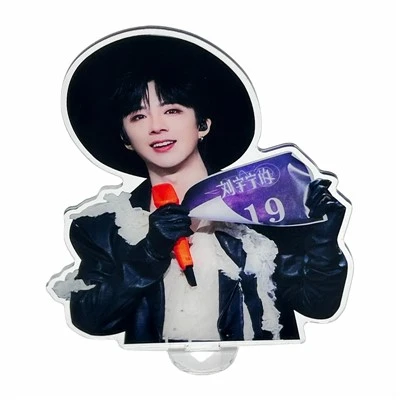
Now, I’m not just here to ramble about keychains – if you’re a small business owner looking for custom keychains for promotions, or a crafter who wants bulk supplies, or even just someone who wants a few custom keychains for your team, I can hook you up. We do custom designs, bulk orders, and even small runs for people who just want 10 or 20. No minimums for custom orders under 100, and all our materials are tested to make sure they stand the test of time. If you’re tired of cheap keychains that break after a week, hit me up and we can work out what’s right for you.
Epoxy Resin Keychains References
- Modern Plastics Encyclopedia, "Acrylic Resins: Properties and Applications", Society of Plastics Engineers, 2021
- Mohs Scale of Hardness: Mineralogical Society of America, 2022
- UV Ink Technology for Digital Printing, Journal of Graphic Arts Technology, Vol. 14, No. 2, 2020
- Poly(methyl methacrylate) (PMMA) Material Data Sheet, Acrylic Manufacturers Association, 2019
Wenzhou Qumange Craft Co., Ltd.
With abundant experience, we are one of the most professional acrylic keychain manufacturers in China. Welcome to wholesale bulk customized acrylic keychain at competitive price from our factory. If you have any enquiry about pricelist and free sample, please feel free to email us.
Address: Room 802, Building A1, Yuehu Light Industrial Park, Taishun County, Wenzhou City, Zhejiang Province, China
E-mail: 13806616181@139.com
WebSite: https://www.qmgcraft.com/
