If you’ve ever driven past a refinery at dusk, you might have squinted at the tangled pipes, towering distillation columns, and flickering flare stacks and thought: “How do all these parts work together to turn crude oil into the gasoline, diesel, and jet fuel that power most of modern life?” As a refining plant supplier with 18 years in the game, I get that question all the time. Most folks outside the industry just see a big, noisy factory, but refining plants aren’t one-size-fits-all. Their designs are tailored to two big things: the type of crude oil they’re processing and the products their region or clients need most. Let me break down the common types, from the basic workhorses to the specialized facilities that handle heavy crude, and explain why each matters for anyone looking to set up or upgrade a refining operation. Refining Plant
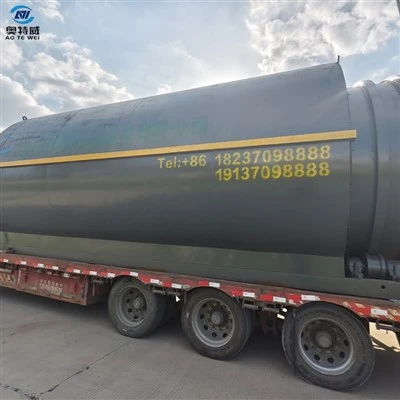
First, let’s start with the foundational refining plant: the atmospheric distillation plant. This is the backbone of almost every refinery on the planet, and it’s the first step in turning raw crude into usable products. Here’s how it works: crude oil is a mix of hundreds of different hydrocarbon molecules, each with a different boiling point. The atmospheric plant heats crude to around 650 degrees Fahrenheit to vaporize most of it, then feeds that vapor into a tall distillation column. The column’s temperature drops as you go up, so heavier, bigger molecules (like asphalt, heavy fuel oil) condense at the bottom, medium ones (diesel, kerosene) middle, and light ones (gasoline, liquefied petroleum gas, or LPG) at the top. What makes atmospheric plants standard is that they run at normal atmospheric pressure, no extra pumping needed, and they process lighter, sweeter crude—oil with low sulfur content, like the kind from the North Sea or West Africa. I’ve supplied components for dozens of these plants over the years, and while they’re the simplest, they’re not the most flexible. They only turn about 20-30% of crude into gasoline, so most refiners pair them with other units to boost that yield.
Speaking of heavy crude, that’s where vacuum distillation plants come in. A lot of the world’s remaining crude is heavy, sour crude—thick, high in sulfur, packed with large hydrocarbon molecules that don’t boil easily at atmospheric pressure. If you heated that same heavy crude in an atmospheric distillation column, parts of it would turn to coke (a solid, carbon-rich byproduct) instead of vapor, which would clog the pipes and ruin the equipment. The solution? A vacuum distillation unit, which pulls a near-vacuum on the column to lower the boiling point of the heavy molecules, so they vaporize and separate without burning. The bottom product from a vacuum plant is called vacuum residue, which is then sent to other conversion units to turn it into more valuable fuel or products. I’ve seen these plants paired with atmospheric ones at facilities processing Canadian oil sands crude or Venezuelan heavy crude, and their design is specific to handling that thick, dense feedstock. If a refiner is targeting heavy crude, you can’t skip the vacuum unit.
Next up, catalytic cracking plants, which is where the “conversion” magic happens. Remember how atmospheric distillation only gives you 20-30% gasoline from light crude? Gasoline is the most in-demand product in most places, so refiners need ways to turn the leftover heavy, medium molecules from distillation into smaller, gasoline-sized ones. That’s what catalytic cracking does. The most common type is fluid catalytic cracking (FCC), which uses a hot, powdered catalyst (usually zeolite) to break large hydrocarbon molecules into smaller ones at high temperature and moderate pressure. The catalyst is a key part here—it speeds up the reaction so it’s fast and efficient, and it’s recycled over and over, which keeps operating costs low. I’ve worked with FCC units that can boost gasoline yield from crude to 45-50%, which is a huge jump. FCC also makes propylene, a key raw material for plastics, so these plants are extra valuable for refineries that want to diversify beyond just fuels. Some newer facilities use hydrocracking, which uses hydrogen instead of a catalyst to break molecules, and it’s especially good for processing heavy, high-sulfur crude into diesel and jet fuel, which are also in high demand.
Now, if you’re in a region that needs ultra-clean fuels—think places with strict emissions rules, like the U.S. or European Union—you’ll need hydrotreating plants. Crude oil has natural sulfur, nitrogen, and other impurities, and when you burn gasoline or diesel, those release pollutants like sulfur dioxide, which causes acid rain, and nitrogen oxides, which harm air quality. Hydrotreating fixes that by reacting the crude’s hydrocarbon fractions with hydrogen at high pressure and temperature, using a catalyst to remove the impurities. For example, a diesel hydrotreater can lower the sulfur content from hundreds of parts per million to below 10 parts per million, which meets the ultra-low sulfur diesel (ULSD) standards in most countries. I’ve supplied hydrotreating units for refineries upgrading from older fuel standards to meet new EPA rules, and these plants are non-negotiable if you want to sell fuel in regulated markets. What’s cool is that hydrotreating isn’t just for fuels—it can also process crude fractions to make lubricating oils and waxes, which are used in everything from car engines to candles.
Another specialized type is coking plants, used almost exclusively for the heaviest, most dense crude residues that even vacuum distillation can’t handle. The vacuum residue we talked about earlier is like the dregs of the crude bottle—super heavy, almost solid, made of molecules too big to crack easily. Coking units use extreme heat (around 950 degrees Fahrenheit) to break those large molecules into smaller ones (gasoline, diesel, fuel oil) and the leftover solid coke. There are two main types of coking: delayed coking, which is the most common, where the residue is held in large drums for hours while it reacts, then the coke is removed and processed, and fluid coking, which is newer and uses a fluidized bed of hot coke to break down the residue faster. I’ve seen delayed coking plants at refineries that process extra-heavy crude from places like Alberta’s oil sands, and they’re critical for turning what would be waste into additional usable products. That said, they do produce solid petroleum coke, which is often used as a low-grade fuel for power plants or in steel making, so their output is a mix of fuel and this byproduct.
Wait, I should also mention bitumen upgrading plants, because they’re a whole different beast—these aren’t just refining crude, they’re turning raw bitumen (the almost solid, tar-like substance from oil sands or oil shale) into synthetic crude oil that’s compatible with standard refineries. Bitumen is so thick and heavy that it can’t even be pumped through pipelines, so upgrading it means heating it, mixing it with diluents (like natural gas condensate) to make it flowable, and then removing impurities like sand, water, and sulfur. Some bitumen upgrading plants also use coking or hydrotreating to turn the bitumen into a high-quality synthetic crude that can be processed in regular atmospheric and vacuum distillation units. I’ve supplied components for a few of these plants in Canada, and they’re a key link between oil sands production and global refineries that aren’t set up to handle raw bitumen.
I want to be clear: most real-world refining plants aren’t just one of these types. They’re a combination. For example, a typical refinery processing light sweet crude might have an atmospheric distillation unit, an FCC unit to boost gasoline yield, hydrotreaters to clean up fuel, and maybe a small vacuum unit to handle heavier fractions. A heavy crude refinery would add a vacuum distillation unit and a coking plant, plus extra hydrotreating to remove sulfur. The mix all comes down to feedstock and product demand. If a refinery is in a place where jet fuel is more popular than gasoline, they’ll adjust the ratio of cracking and hydrotreating units to make more jet fuel. If diesel is in high demand, they’ll optimize their hydrocracking units to prioritize that.
Over my years in this industry, I’ve seen a lot of new faces come to me asking, “What type of plant do I need?” and the answer never starts with a sales pitch—it starts with asking two questions: What crude are you feeding in, and what do you need to get out? A lot of new operators don’t realize that buying a used atmospheric distillation unit isn’t enough if they’re processing heavy crude, or that a coking plant is overkill if they’re working with light crude that already has high gasoline yield. That’s why we don’t just sell equipment—we help clients design custom configurations based on their specific needs, whether they’re a small independent refinery looking to upgrade to meet emissions rules or a major oil company building a new facility from scratch.

If you’re thinking about setting up a refining operation, upgrading an existing plant, or even troubleshooting issues with your current units, reach out to our team to talk through your needs. We’ve worked with refining plants across North America, Europe, and West Africa, and we can help you pick the right combination of distillation, conversion, and treating units to maximize yield, meet environmental standards, and keep your operations running smoothly.
Batch Pyrolysis Plant References
Gary, J. H., Handwerk, G. E., & Kaiser, M. J. (2007). Petroleum Refining: Technology and Economics. CRC Press.
Speight, J. G. (2019). The Chemistry and Technology of Petroleum. CRC Press.
Sadeghbeigi, R. (2012). Fluid Catalytic Cracking Handbook: An Expert Guide to the Practical Operation, Design, and Optimization of FCC Units. Elsevier.
Shangqiu Aotewei Environmental Protection Equipment Co., Ltd.
Shangqiu Aotewei Environmental Protection Equipment Co., Ltd. is one of the most professional refining plant manufacturers and suppliers in China, also supports customized service. Please feel free to buy CE approved refining plant at competitive price from our factory. Welcome to contact us for pricelist.
Address: No.88 Longhai Road, Liangyuan District, Shangqiu City, Henan Province, China
E-mail: colin@henanpower.com.cn
WebSite: https://www.aoteweitech.com/
