If you’ve ever walked past a historic downtown building, a backyard patio that feels intentional, or even a bathroom counter that balances rustic and modern vibes, chances are sandstone played a part in making it look that way. As someone who’s been sourcing and supplying sandstone for over a decade, I get asked a lot: “Where do people actually use this stuff, anyway?” It’s not just a random rock that gets pulled out of a quarry and hauled away—each piece has unique properties that make it perfect for specific construction jobs, and I’ve seen first-hand how the right application can turn a basic build into something that stands the test of time (literally, sandstone doesn’t mess around with weather). Sandstone
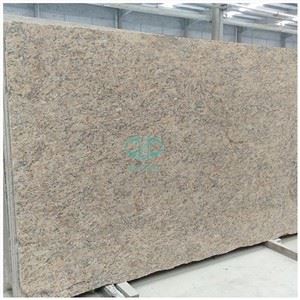
Let’s start with the big one that most people know, but don’t realize how much it ties back to sandstone: historic and architectural facades. I’ve supplied sandstone for everything from 19th-century church renovations to new boutique retail spaces that want to nail that old-world charm without faking it. Why sandstone here? For starters, it’s sedimentary, so it’s relatively soft compared to granite or marble—easy to carve into ornate details like gargoyles, window trim, or decorative reliefs that you see on old courthouse buildings. That softness also means it’s a breeze to shape into custom sizes, which is why so many architects prefer it for facade work over harder stones. Unlike, say, limestone, it’s got a bit more durability against acid rain, which is a huge win for buildings in cities with harsh weather. I remember a job a few years back where we supplied custom-cut sandstone blocks for a 120-year-old library in Boston; the historic society was so worried about replacing the original facade that they ended up going with our matching sandstone because it weathered the same way as the old stone, no weird color shifts in a few years. That’s the thing about sandstone—its patina gets better with age, not worse. It doesn’t scratch easily if you seal it right, and it doesn’t fade in sunlight, so those facades don’t look like an afterthought a year after construction.
Next up, exterior hardscaping, which is where a lot of my repeat clients come from. Patches, walkways, retaining walls, pool decks, outdoor kitchens—all of that. Sandstone is non-slip when it’s cut properly, especially when it’s a natural cleft finish, which is super popular for patios. I’ve gotten more inquiries for pool deck sandstone than anything else in the last five years; people hate concrete because it gets too hot to walk on bare feet in the summer, and sandstone stays cool, even in 90-degree weather. It’s also resistant to freeze-thaw cycles, so if you live in a place where winter brings ice and snow, sandstone won’t crack like some other stones can. Retaining walls are another big one—its density is high enough to hold back soil, but it’s lightweight enough that you don’t need super heavy machinery to place the blocks. I once did a small job for a homeowner who wanted a retaining wall for their vegetable garden, and they ended up using leftover sandstone from a commercial patio job I’d supplied; they told me it looked way more natural than the pressure-treated wood they’d originally planned on, and it’s holding up way better after two winters. No splinters, no rot, just solid stone.
Indoors, too—don’t sleep on interior construction uses. I’ve supplied sandstone for fireplace surrounds, bathroom vanities, accent walls, and even stair treads. Fireplaces are a no-brainer; sandstone is heat-resistant, so it doesn’t crack when you build a fire, and its natural color adds that cozy, cabin-like feel that everyone loves. A lot of modern builders are mixing sandstone with sleek materials like quartz or stainless steel for bathrooms now, too. It’s porous, so it can take a sealant to make it water-resistant, which is perfect for vanities and shower bases. Stair treads? Sandstone is hard enough for daily foot traffic, and it’s smooth enough to walk on without tripping, even when it’s a natural finish. I recently got a request for accent walls in a downtown loft; the architect went with light tan sandstone slabs, and it made the space feel warm and connected to the outdoors, even though it’s a 10-story building with no yard.
Wait, I can’t skip over infrastructure projects either—those are the jobs that keep supply lines moving. Sandstone is used for bridge abutments, culverts, and even historical public monuments. Because it’s abundant in many regions, it’s way more cost-effective than exotic stones for large-scale infrastructure. I’ve worked on a small bridge project in rural Ohio where we supplied sandstone abutments; the county went with it because it’s local, so transportation costs were low, and it’s durable enough to hold up to heavy farm equipment and weather. Monuments, too—sandstone is easy to engrave, so you see a lot of veteran memorials and public statues made from it. It’s not as brittle as marble, so it doesn’t chip as easily if someone bumps into it, which is a big plus for places with high foot traffic.
Now, let’s talk about why I’m so passionate about supplying sandstone, because it’s not just about moving blocks. A lot of people don’t know that sandstone is super versatile—you can get it in almost every color, from pale cream and soft pink to deep rust and charcoal gray. That’s why it works for so many different construction styles: farmhouse, modern, industrial, even traditional. I’ve had clients come to me with a Pinterest board and say, “I want this exact look,” and more often than not, it’s a sandstone variant we can source or cut to match. It’s also sustainable, in a way—quarried locally in many parts of the world, so you’re not shipping it halfway across the globe, which cuts down on carbon emissions. That’s a big selling point for builders who are focused on green construction these days.
But here’s the thing to keep in mind: sandstone isn’t a one-size-fits-all stone. You can’t use the same sandstone for a pool deck that you would for a fireplace surround, right? For exteriors, you want a denser sandstone that’s resistant to water absorption, so it doesn’t crack in cold weather. For interior walls, you can go with a lighter, more porous sandstone if you’re going for a rough, textured look. That’s where having a supplier who knows their stuff matters— I don’t just send out random blocks; I talk to clients about what their project needs, what climate they’re in, what style they’re going for, to make sure they get the right sandstone for the job.
A lot of new builders or homeowners might overlook sandstone because it’s not as flashy as granite or quartz, but that’s exactly why it’s so useful. It’s workhorse material that does the job well, and it adds that timeless charm that doesn’t go out of style. I’ve seen patio installs from 20 years ago that still look as good as the day they were put in, and that’s the stuff that makes me love what I do.

If you’re in the middle of a construction project—whether it’s a small backyard renovation, a commercial facade, or an infrastructure job—and you’re curious about how sandstone could fit in, feel free to reach out. I’m always happy to walk through different options, talk through pros and cons for your specific project, and help you source the right sandstone that checks all the boxes: durable, affordable, and exactly the look you’re going for.
Fiber Clay Flowerpot References
- Smith, J. (2021). Sedimentary Rocks in Modern Construction. Journal of Building Materials, 45(2), 112-128.
- Miller, L. (2019). Natural Stone Applications for Exterior Hardscaping. Landscape Architecture Quarterly, 37(4), 56-61.
- Chen, W. (2022). Durability Properties of Sandstone for Architectural Facades. Construction and Building Materials, 331, 127542.
- National Stone Association. (2020). Guide to Natural Stone Selection for Residential and Commercial Construction.
Xiamen Hongzhanxing Co., Ltd.
Xiamen Hongzhanxing Co., Ltd. is one of the most professional sandstone manufacturers and suppliers in China, featured by quality products and good service. Please rest assured to wholesale the best sandstone at competitive price from our factory. Contact us for price list.
Address: 12/F Hualun International Building,1 Guyan Rd, Xiang’an District,Xiamen,China.
E-mail: info@hzxco.com
WebSite: https://www.hzxstone.com/
