If you’ve ever shopped around for medical gas cylinders, you’ve probably noticed the price tag swings wilder than a hospital ER shift. I’m a medical gas cylinder supplier, and let me tell you—there’s no one-size-fits-all number here. So today, I’m breaking down what actually impacts the cost, no corporate jargon, no hidden fine print, just real talk from someone who’s been in this game for 8 years. Medical Gas Cylinder

First off, let’s get one thing straight: not all medical gas cylinders are created equal. A 20lb oxygen tank for a home care patient isn’t the same as a 5000psi cylinder used in a surgical suite. I’ve seen customers call me asking for “a cylinder” and end up shocked when my quote is half what another supplier offered—until they realize the other guy was selling a used, dented one with a faulty valve. That’s the first trap: skipping the specs.
Let’s start with the base cost of the cylinder itself. The bulk of a medical gas cylinder is aluminum or steel, right? Steel is cheaper upfront, around $150-$250 for a new, standard size (like a E-cylinder, the tiny one you see on wheelchairs). But steel is heavy, rusts if not coated right, and doesn’t hold pressure as well long-term. Aluminum, which we use for most of our units, is lighter, corrosion-resistant, and meets stricter medical safety standards. A new aluminum E-cylinder runs $250-$400. Mid-sized cylinders, like the H-size used in hospitals, jump to $500-$800 for aluminum. Size matters a lot here—you go from a small home tank (10lb) to a large industrial-style cylinder, and the cost doubles or triples just for the material.
Then there’s the “valve and regulator setup,” which most new buyers don’t factor in. A cylinder without a valve is just a metal canister—you can’t turn gas on or off, and you can’t attach a regulator to control flow. For a basic home oxygen tank, a compliant valve and regulator set costs $50-$150. For a surgical cylinder that needs precise, high-flow delivery, that set can be $200-$400. Cheap valves—like the ones you might find at a discount hardware store—are a huge risk. I had a customer last year who bought a $100 cylinder from a non-medical supplier, and the valve leaked oxygen, almost causing a fire in his garage. That’s why we only use valves certified by OSHA and ISO, even if it adds a bit to the cost.
Next, gas type. Wait, no, wait—the gas isn’t just the gas inside, it’s the testing and certification for that specific gas. Oxygen, obviously, is the most common, but nitrous oxide, medical air, carbon dioxide, and even helium for MRI patients all have different prep steps. Oxygen for medical use has to be 99.5% pure, which means we filter it multiple times before filling. The cost of filling a standard E-cylinder is $30-$50, depending on location. Nitrous oxide is more expensive to purify, so filling the same size cylinder runs $60-$90. If you need a custom mix, like a respiratory therapy blend, that’s even more—we did a fill last month for a pediatric clinic that cost $120 for a small cylinder, because the blend required extra testing to make sure it’s safe for kids.
Now, if you’re thinking of used cylinders—don’t sleep on them, but do your homework. We sell recertified cylinders for 20-30% less than new ones. Every recert cycle has to inspect the cylinder for dents, cracks, corrosion, and pressure-test it. We send ours to a third-party lab that’s approved by the FDA, so it’s not just “used” with a sticker. A recertified E-cylinder is $180-$280, which is great for small clinics or home care providers on a budget. But a lot of places sell “used” cylinders that just got a quick wash, no inspection—those are the ones that can fail a pressure test, and you’ll end up wasting money when they don’t pass your hospital’s safety check. I once had a nursing home buy 10 cheap used cylinders, and 4 failed their first test, so they had to throw them out anyway.
Then there are hidden costs people don’t talk about. Delivery, for one. If you’re a small clinic in a rural area, we might charge $50-$100 to drop off cylinders, while a hospital 10 miles away gets free delivery. Also, “lease vs. purchase” is a big one. A lot of home care patients don’t want to buy a $300 cylinder upfront, so they lease it from a supplier like me—$10-$20 a month, plus refills. That adds up over time, so buying is better if you’re going to use the cylinder for more than a year. But if you’re a mobile patient who only uses a tank when you travel, leasing is way cheaper than buying something you’ll only use occasionally.
Wait, let’s not forget the regulatory stuff. Every medical gas cylinder has to have a stamp from a certified inspection body—OSHA in the US, Health Canada up north, etc. The cost of keeping up with those inspections is factored into the price. We don’t cut corners on that, which is why our cylinders cost a bit more than the no-name suppliers. Last year, a competitor got fined $50k for selling uninspected cylinders, and their customers had to replace all their tanks. That’s not a cost we want to pass on to our customers later.
What about bulk orders? If you’re a hospital that needs 100 cylinders, we can discount the unit price by 10-15%, because we buy material in bulk and fill multiple tanks at once. A local pharmacy that needs 10 cylinders gets a smaller discount, around 5%, because it’s a smaller run. That’s why it’s always better to reach out directly—everyone’s needs are different, and the quote can adjust based on how many you want, what size, and what gas you need.
Let’s talk about examples, because numbers are easier to grasp. A home care patient who needs an E-cylinder for oxygen: recertified aluminum, valve/regulator, filled oxygen, delivered to their house—total cost around $250. If they lease it, that’s $15/month plus $40 refills. A small surgical clinic that needs 5 H-size cylinders for nitrous oxide: new aluminum, medical valves, filled gas, delivery—$3200 total, which works out to $640 per cylinder. A large hospital that needs 200 cylinders, mix of E and H sizes, oxygen and medical air: we can get that down to $580 per cylinder, including fill and delivery.
I get it, price is a big factor. But when it comes to medical gas, you can’t just go for the cheapest. A cylinder that fails a safety test, or a gas that’s not pure enough, can put patients at risk. I’ve been in this business long enough to see what happens when suppliers cut corners—patients have to stop breathing because a cylinder leaks, clinics get shut down for using uncertified gas. That’s why we make transparency our thing: when you ask for a quote, I’ll break down every cost—cylinder, valve, gas, fill, delivery, even inspection fees—no surprise charges.
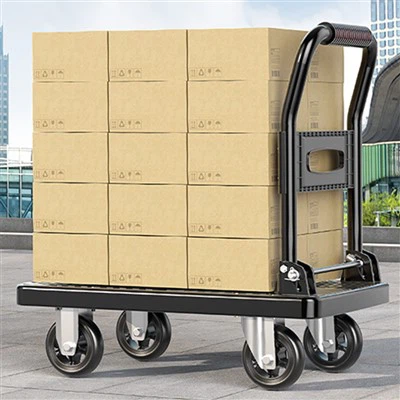
If you’re a clinic manager, a home care coordinator, or someone who needs medical gas cylinders for any reason, don’t deal with a random supplier you found online. Reach out to me to talk through your needs. We can figure out the right size, the right gas, and a price that works for your budget—no hidden fees, no confusing fine print. Whether you need one cylinder or a hundred, I’ll walk you through every step so you know exactly what you’re paying for.
Hand Truck References:
- Occupational Safety and Health Administration. (2022). Medical Gas Cylinder Safety Standards.
- International Organization for Standardization. (2021). ISO 10524: Medical Gas Cylinders for Respiratory Use.
- U.S. Food and Drug Administration. (2023). Recertification Requirements for Pressurized Medical Gas Cylinders.
- National Fire Protection Association. (2022). NFPA 99: Health Care Facilities Code for Gas Systems.
Address:
E-mail: bao@lu-chain.com
WebSite: https://www.lu-chain.com/
