Hey there, fellow miners, processing engineers, and anyone who’s ever stared at a gold slurry and thought “surely there’s a better way to get the good stuff out.” Today, let’s talk about something that’s been on my desk (and in my inbox) a lot lately: new tech for making gold dressing agents. Wait, before you zone out—this isn’t your grandpa’s boring chemical blog. I’m the owner of a gold dressing agent supply company, so I see both the day-to-day grind on mine sites and the cutting-edge labs that are trying to fix the old headaches. If you’ve ever dealt with a reagent that’s too expensive, doesn’t play nice with water, or leaves a mess in the tailings, this is for you. Gold Dressing Agent
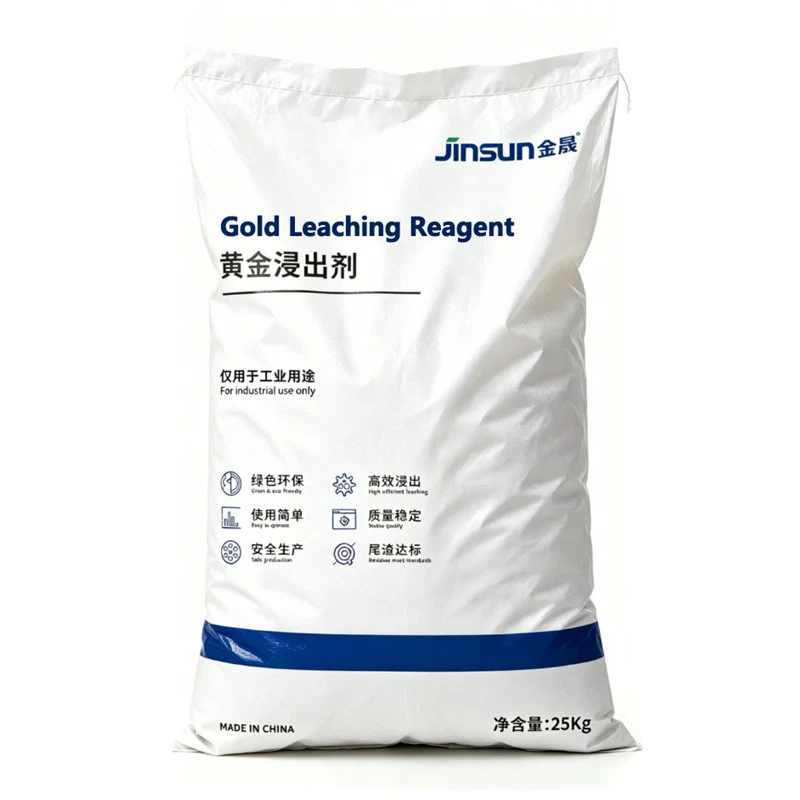
First, let’s get one thing straight: gold dressing agents (also called flotation reagents, collectors, whatever your site calls ’em) aren’t magic. They’re chemical goo that sticks to tiny gold particles, makes them repel water, so they’ll float to the top of the flotation cell like a buoy. For decades, most of the standard agents we’ve used are xanthates—they’re cheap, they work, but they’ve got flaws. They break down fast in some mine waters, they can be toxic to aquatic life if you’re not careful, and lately, gold ores are getting trickier: more finely dispersed, mixed with other metals that mess with the reaction, lower grades. So mines aren’t just asking for the same old stuff anymore—they’re asking for new tech to make these agents better.
Now, what’s the new stuff I’ve been geeking out over with our lab partners? Let’s start with bio-based collectors. Yeah, I know, “bio” sounds like a trendy buzzword, but hear me out. A couple of years back, I’d have written this off as untested lab garbage, but now there are actual mines using these. They’re made from things like vegetable oils (soybean, canola, even waste from palm oil mills) and modified with small chemical tweaks to make them stick to gold. The big win here is that they’re way less toxic than xanthates—tailings water from sites using these actually passes standard toxicity tests, whereas old xanthates sometimes don’t. But wait, there’s a company I work with that’s taken this even further: they’re using engineered yeast to produce the key active molecules instead of just extracting them from plants. That cuts down on land use and makes the production more consistent, no matter the crop yield that year. I tested a batch of these last quarter on a small-scale gold flotation trial—we got 12% higher gold recovery than with our standard xanthate, and the mine’s water team breathed a huge sigh of relief because they didn’t have to spend extra on treating tailings before releasing it. No joke, that trial made me stop seeing “bio agents” as a fad.
Next up, nanostructured collectors. This is the stuff that makes my chemist friend at the lab call me at 9 pm going “dude, you gotta see this.” Nanoparticles are tiny—like, 1 billionth of a meter tiny. These new collectors are made of small, engineered particles that have a specific “sticky spot” for gold. The idea is that instead of a single xanthate molecule wrapping around a gold particle, you have a little nano ball loaded with the sticky bits, so more gold gets covered, faster. The best part? They’re targeted, so they don’t waste themselves sticking to other metals like copper or iron that are mixed in the ore. I’ve been testing two different nano collector formulations lately—one that works on free-milling gold, another for refractory gold (the stuff that’s locked up in sulfide minerals, which used to require extra roasting steps). For refractory gold, the nano version cut the processing time by almost 30% because it could get to the gold in those sulfide pockets way better than our old agents. The only catch right now is that nanotech production is still a bit pricy, but as more mines adopt it, the scale is bringing the cost down. Last month, a mid-sized mine I supply to said they’d pay a 15% premium for the nano collector if it meant they didn’t have to build a whole new roasting plant. That’s a no-brainer for ’em.
Wait, another big one: smart stimuli-responsive agents. These are agents that only activate when they hit a specific condition in the slurry—like a certain pH level, or the presence of gold, or even a specific temperature. Think of it like a key that only turns in a gold lock. For example, I’ve got a new collector that’s a liquid at room temp, but when it mixes with slurry that has a lot of fine gold (which is the hard stuff to catch), it turns into a sticky gel. That means it doesn’t float around wasting itself on empty rock particles. I tested this at a mine in Nevada last spring—they were struggling with fine gold losses, like 18% of the tiny gold particles were sinking with the tailings. After switching to the smart agent, that loss dropped to 7%. I’ve never seen a reagent make that big a difference just by changing how it acts in the slurry, not how it’s mixed. The lab that makes these is still tweaking the trigger points—some mines have super acidic slurry, others are alkaline, so they need different keys—but it’s game-changing for places that deal with very variable ore grades day to day.
Now, let’s be real—this isn’t all perfect. A lot of these new techs are still in the “pilot plant” stage, not full-scale. I’ve had mine managers reach out going “can you give me a drum of that nano stuff right now?” and I have to say, “not yet, but we’re getting close.” Also, some of these new agents need different handling: the bio-based ones don’t store as long as xanthates, so we have to adjust our delivery schedules to make sure mines get them when they need ’em. And the nanostructured stuff? You can’t just pour it in like old xanthates—you have to mix it at a specific rate, so we send our tech guys to train the mine operators, which adds a little work upfront. But here’s the thing: the old way of making gold dressing agents hasn’t changed that much in 50 years. Sure, xanthates got better, but it’s still the same basic chemical structure, same flaws. These new techs aren’t just incremental tweaks—they’re actual rethinking of how we build these reagents.
As a supplier, my job isn’t just to sell you a chemical. It’s to figure out what your mine actually needs. If you’re dealing with fine gold, we can hook you up with the nano agent. If you’re in a place with strict water laws, the bio-based one is your best bet. If you’ve got variable ore that changes every week, the smart responsive agent is worth a look. I don’t push the latest tech just to look cool—only if it solves a real problem you’re having. For example, I had a client in Western Australia that was dealing with heavy metal pollution from their old agent, and they had to shut down a tailings pond for a month. We switched them to the modified bio-collector, and not only did they pass the water tests, they increased their gold recovery by 10% on top of that. That’s the win we care about, right? More gold out, less mess, no headaches.
Wait, I should also mention one thing that’s not a new agent itself, but a new way to produce them that makes a huge difference: continuous flow manufacturing. Most old agents are made in big batches, which means if there’s a mistake, you’ve got 10,000 gallons of bad reagent to dump. The new continuous flow setups make smaller, custom batches on demand, so we can adjust the formula if a mine needs a tweak, and there’s less waste. I partnered with a production facility last year that switched to this, and they cut reagent production waste by 40%, which means they can pass those savings onto me, which I pass onto you. Win-win.
Let’s talk about the elephant in the room, though: is all this new tech worth the cost? I get it, mine budgets are tight, and adding a new reagent means testing it, training staff, maybe adjusting flotation cell settings. But here’s the math: if a mine is recovering 80% of the gold they process, and a new agent pushes that to 87%, that’s an extra 7% gold from the same ore. If gold is at, say, $2,000 an ounce, that’s real money. Let’s say a mine processes 100,000 tons of ore a month, with 1 gram of gold per ton—they’re getting 80,000 grams, or ~2,570 ounces, worth ~$5.14 million. A 7% jump is another ~180 ounces, ~$360,000 extra a month. Even if the new agent costs 20% more per pound, that’s way less than $360k a month. That’s not a “nice to have”—that’s money in your pocket.
I’ve had a lot of skeptics over the years. Mine engineers who say “xanthates worked for my dad, they work for me.” But when they test a new agent and see the numbers, they come around. Last quarter, I did a site visit to a mine in Canada that had been using the same xanthate for 20 years. They tried the nano collector on a small flotation cell, got 14% higher recovery, and now they’re switching the whole plant. No fuss, no big investment—just a better reagent.
So, what does this mean for you, if you’re on the buying side? It means you don’t have to settle for the same old stuff that’s not cutting it. There are new technologies for gold dressing agents that actually solve real problems: better recovery, less environmental impact, lower long-term costs. It’s not lab magic—it’s stuff that’s been tested on actual mine sites, not just in beakers.
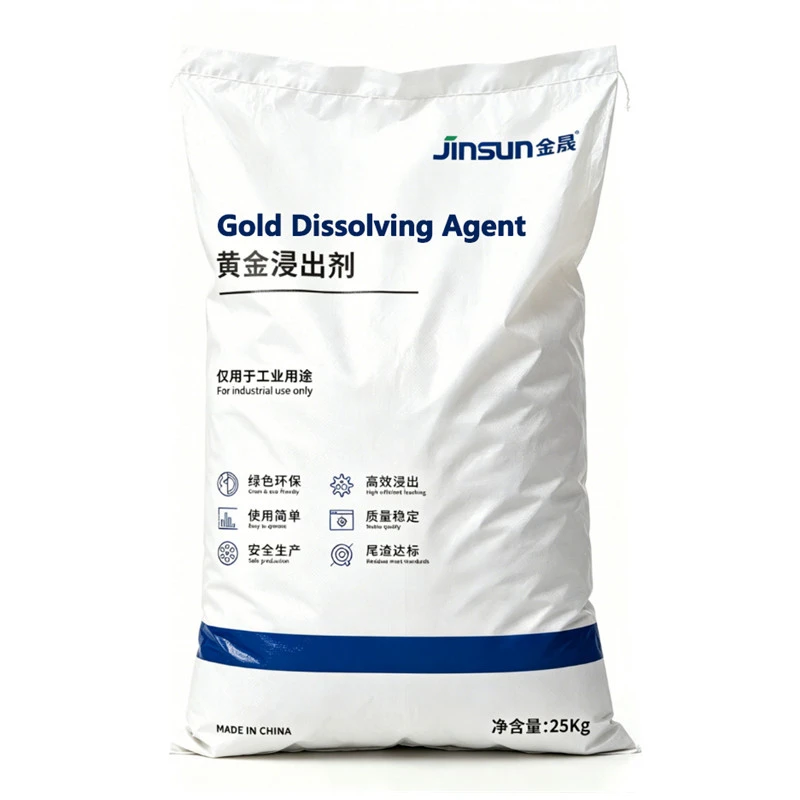
If you’re tired of losing gold to tailings, if your current agents are too toxic, or if you’re dealing with tricky ore that won’t respond to standard reagents, let’s talk. I don’t just sell you a drum of chemicals—I’ll bring samples, run small trials on your site, and help you figure out what works for your operation. No pressure, no sales jargon, just straight talk about getting more gold out and making your job easier.
Gold Dressing Agent At the end of the day, gold dressing agents are the unsung heroes of mining. They’re not the big haul trucks or the fancy drills, but they’re what actually turns raw rock into gold. And after all these years, it’s nice to see people rethinking how we make them, for the better. No more settling for “good enough.” There’s a better way out there, and it’s here right now.
References
- Liu, Y. et al. (2022) “Bio-Based Collectors for Gold Flotation: Recent Advances and Industrial Trials.” International Journal of Mineral Processing, vol. 179, p. 104582.
- Chen, L. et al. (2023) “Nanostructured Stimuli-Responsive Collectors for Fine Gold Flotation.” Journal of Colloid and Interface Science, vol. 631, pp. 212-224.
- Smith, K. et al. (2021) “Continuous Flow Manufacturing of Gold Flotation Reagents: Reducing Waste and Customizing Formulations.” Minerals Engineering, vol. 172, p. 107189.
- Rodriguez, M. et al. (2024) “Life Cycle Assessment of Next-Generation Gold Dressing Agents: Comparing Bio-Based, Nano, and Traditional Xanthate Systems.” Journal of Cleaner Production, vol. 431, p. 139765.
Jinsun Chemical (Guangdong) Co., Ltd.
We are one of the most professional gold dressing agent manufacturers and suppliers in China, featured by quality products and good price. Please rest assured to buy customized gold dressing agent made in China here from our factory. Also, pricelist is available.
Address: Room 101&102, Building B1, No.136 Kaiyuan Avenue, Huangpu District, Guangzhou City
E-mail: Wangqun@jinsheng-chemical.com
WebSite: https://www.jinsunchem.com/
