Maintaining valve castings is a crucial aspect of ensuring their longevity, performance, and reliability. As a valve castings supplier, I understand the importance of providing guidance on how to properly maintain these essential components. In this blog post, I will share some valuable insights and best practices for maintaining valve castings to help you optimize their functionality and extend their service life. Valve Castings

Understanding Valve Castings
Valve castings are integral parts of various industrial systems, used to control the flow of fluids, gases, and other substances. They are typically made from materials such as stainless steel, carbon steel, cast iron, and bronze, each offering unique properties and advantages. Valve castings come in different shapes, sizes, and configurations to meet the specific requirements of different applications.
Importance of Maintenance
Proper maintenance of valve castings is essential for several reasons. Firstly, it helps to prevent premature wear and tear, reducing the risk of breakdowns and costly repairs. Secondly, regular maintenance ensures that the valves operate efficiently, minimizing energy consumption and improving overall system performance. Thirdly, well-maintained valve castings contribute to the safety of the industrial processes, preventing leaks and other potential hazards.
Maintenance Practices
1. Inspection
Regular inspection is the first step in maintaining valve castings. Inspect the valves for any signs of damage, such as cracks, corrosion, or wear. Check the seals, gaskets, and connections for leaks. Look for any abnormal noises or vibrations during operation, which may indicate a problem. Inspect the valve actuator, if applicable, to ensure it is functioning properly.
2. Cleaning
Cleaning the valve castings is an important part of maintenance. Remove any dirt, debris, or contaminants from the surface of the valves using a suitable cleaning agent. Use a soft brush or cloth to avoid scratching the surface. Pay special attention to the internal components, such as the valve seats and discs, to ensure they are free from any deposits.
3. Lubrication
Proper lubrication is essential for the smooth operation of valve castings. Lubricate the moving parts, such as the stem and the ball or disc, to reduce friction and wear. Use a high-quality lubricant that is compatible with the valve material and the operating conditions. Follow the manufacturer’s recommendations for lubrication intervals and the type of lubricant to use.
4. Tightening and Adjustment
Periodically check the tightness of the valve connections and bolts. Over time, vibrations and temperature changes can cause the connections to loosen, leading to leaks. Use a torque wrench to ensure that the bolts are tightened to the recommended specifications. If necessary, adjust the valve settings, such as the opening and closing positions, to optimize its performance.
5. Corrosion Protection
Valve castings are often exposed to harsh environments, which can cause corrosion. To protect the valves from corrosion, apply a suitable coating or paint to the surface. Choose a coating that is resistant to the specific chemicals and conditions in the operating environment. Regularly inspect the coating for any signs of damage or deterioration and touch up as needed.
6. Training and Education
Proper training and education of the personnel responsible for maintaining the valve castings are essential. Ensure that the maintenance staff is familiar with the valve design, operation, and maintenance procedures. Provide them with the necessary tools and equipment to perform the maintenance tasks effectively. Encourage them to stay updated on the latest industry trends and best practices.
Common Maintenance Challenges
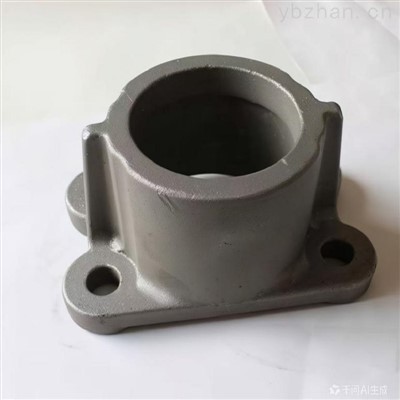
While maintaining valve castings is relatively straightforward, there are some common challenges that you may encounter. One of the main challenges is dealing with corrosion, especially in harsh environments. Another challenge is ensuring that the valves are properly lubricated, as improper lubrication can lead to increased friction and wear. Additionally, finding the right replacement parts can be a challenge, especially for older or specialized valve models.
Conclusion
Stainless Steel Fittings Maintaining valve castings is a critical aspect of ensuring their optimal performance and longevity. By following the maintenance practices outlined in this blog post, you can minimize the risk of breakdowns, improve the efficiency of your industrial processes, and ensure the safety of your operations. As a valve castings supplier, I am committed to providing high-quality products and support to help you maintain your valve castings effectively. If you have any questions or need further assistance, please do not hesitate to contact me. I look forward to discussing your valve casting needs and helping you find the best solutions for your applications.
References
- ASME B16.34 – Valves – Flanged, Threaded, and Welded Ends
- API 600 – Steel Gate Valves – Flanged and Butt Welding Ends
- ASTM A351 – Standard Specification for Austenitic Steel Castings for Pressure-Containing Parts
- ISO 5208 – Industrial Valves – Pressure Testing of Valves
Shandong Shunye Stainless Steel Co., Ltd.
Shandong Shunye Stainless Steel Co., Ltd. is one of the most professional valve castings manufacturers and suppliers in China, also supports customized service. Welcome to buy bulk cheap valve castings made in China here and get quotation from our factory. For price consultation, contact us.
Address: Shandong Province, Binzhou City, Wudi County, Liubao Town, Zhangdong Road, Duliucun Village
E-mail: sales@wdshunye.com
WebSite: https://www.shunyecasting.com/
