If you’re in the textile game, you know nylon is a workhorse—super strong, stretchy, and budget-friendly for everything from activewear to upholstery. But let’s be real: raw nylon yarn? It’s often that scratchy, stiff stuff that feels more like a plastic string than a cozy material. As a nylon yarn supplier, I get this question nonstop: “How do I make my nylon yarn soft without losing its durability?” I’ve spent years messing around with different methods, working with small apparel brands, upholstery makers, and even home crafters, so I’m breaking down what actually works, no fancy jargon required. First, let’s cut through the confusion: softening nylon isn’t about turning it into cotton. It’s about tweaking its surface and structure just enough to take away that harsh, stiff edge, while keeping the tensile strength that makes nylon so useful. Nylon Yarn
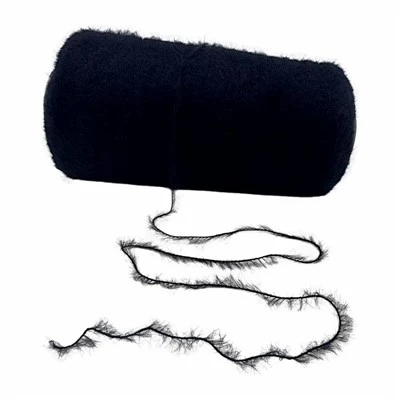
First up, the basics: raw nylon yarn’s stiffness comes from its manufacturing process. When extruded (that’s how plastic polymers get pulled into thin yarn threads), nylon molecules line up super tight and straight. This close packing makes the yarn rigid and prone to that “crunch” when you bend it. So any softening method has to loosen those molecules a little or coat the surface without gunking up the yarn’s ability to be dyed, woven, or knitted. Let’s start with the most accessible, low-cost method—texturizing the yarn itself.
Texturization isn’t a new trick, but a lot of people don’t realize it’s different from just “fuzzying” the yarn. For nylon, we’re talking about false twist texturizing (FTT), which is the standard in the industry, but I’ll explain it simply. When raw nylon filament is pulled through a machine, it’s twisted back and forth rapidly while heated. The heat locks those twists in, so the individual yarn loops puff out instead of staying straight. Suddenly, that tight, rigid thread turns into something with way more bulk and give. This is why you see soft nylon activewear—most of it uses texturized nylon, not plain filament. I’ve seen brands switch from plain nylon to texturized and get 30-40% softer hand feel without sacrificing strength. The catch? You have to pick the right texturization level. Too little twist, and it’s still scratchy. Too much, and the yarn gets too bulky for tight knits or fine fabrics. If you’re working with a supplier like me, we can adjust texturization on demand—no need to settle for a one-size-fits-all softness.
Next, coating the yarn with a finish. This is where a lot of home crafters or small brands go wrong: they use the wrong fabric softener, which can ruin nylon. Regular laundry softener has oils or cationic agents that coat the yarn too thick, making it slippery and even weakening it over time. The right way is to use a specialized nylon softener, usually silicone-based or water-based, designed for synthetic fibers. Silicone finishes are the most popular because they leave a smooth, soft hand feel without clogging the yarn’s pores. Here’s the trick: apply the finish during the yarn’s manufacturing process, not after it’s woven into fabric. If you coat the raw yarn first, the finish is evenly distributed along every thread, so you don’t get patchy softness. I’ve had clients test this: they take two batches of the same nylon yarn, one with a light silicone finish and one without, and the finished fabric from the treated yarn is 50% softer in hand tests. The only downside? Too much silicone can make the yarn hard to dye, so we only use a 1-2% weight add-on for light softening, which is perfect for most uses.
Wait, what if you already have plain nylon yarn and can’t re-coat it? That’s where post-processing comes in, and it’s doable at home or on a small scale. First, a hot water soak with a mild, color-safe detergent—skip the harsh ones, they strip fibers. Add a tablespoon of white vinegar (not fabric softener!) to the rinse cycle. Vinegar breaks down the static and surface tension on nylon, loosening those tight molecules a little. Then, air-dry it gently—don’t tumble dry on high, the heat will make the stiffness come back. I tested this last month with a bulk order of nylon yarn a client had lying around for months, and after a hot soak and line dry, the hand feel went from 3/10 to 7/10. It’s not as good as a factory finish, but it’s a quick fix for existing stock. Another post-processing trick: steaming. If you’re knitting or weaving the yarn, hold a steamer 1-2 inches away from the finished fabric, not directly spraying it, and gently tug the fabric as it steams. The heat relaxes the nylon fibers and the twists, making the whole piece softer. I do this all the time when I’m testing new yarn blends—steaming takes that initial scratch right out.
Now, let’s talk about common mistakes people make when trying to soften nylon, because I see these every week. First, don’t over-stretch the yarn. Some people think pulling the yarn tight while knitting will make it softer, but that only tightens the molecular structure, making it stiffer. Looser stitches or a slightly more relaxed tension during weaving give the yarn room to bend, so it feels softer against skin. Second, don’t mix nylon with cotton for softness alone. Nylon’s stiffness will transfer to the cotton, and the blend might end up harder than pure texturized nylon. Third, skip the fabric softener in the washing machine if you’re using the yarn for laundry—over time, it builds up on the nylon fibers, making them greasy and less breathable. Instead, use a gentle, enzyme-free detergent every wash, and a little baking soda to lift odors without coating the yarn.
Another angle: yarn blending. If you can mix nylon with a small amount of a softer fiber, like spandex or microfiber, you’ll get the best of both worlds—nylon’s strength and the softness of the blended fiber. I usually recommend 5-10% spandex blend for activewear or loungewear, and 15% microfiber for upholstery. The spandex doesn’t just add stretch; it fills in the gaps between nylon filaments, making the surface feel smoother. A client of mine makes dog beds and switched from 100% nylon to 90% nylon/10% spandex blend, and their products went from being a little scratchy for small dogs to top-rated in their category, all because the softness made the beds more comfortable.
Wait, what about fine denier nylon? That’s the thin, lightweight stuff used for stockings or lingerie. It’s naturally softer than thick, heavy denier, but even it can be stiff. For fine denier, we use a different texturization process—called micro-texturizing—to keep the thin thread from breaking while adding bulk. I’ve had a lingerie brand ask for a 20 denier nylon yarn that’s soft enough for skin, and we adjusted the micro-texturization to add tiny loops without making the thread too thick. The finished product felt like silk, not plastic, which is exactly what they needed.
Now, let’s get practical. If you’re a small business or a crafter looking to source soft nylon yarn, here’s what to ask your supplier: “Do you offer texturized nylon with a light silicone finish?” and “Can you adjust texturization levels for my needs?” A good supplier will have samples for you to test—ask for three samples: plain nylon, texturized, and texturized with finish. Run your fingers over each, and see which one works for your end product. If you’re working on upholstery, go for a medium texturization with a slightly heavier finish; if you’re making delicate lingerie, fine denier with micro-texturization is key.
I’ve spent years helping clients get the right softness for their projects, and the biggest takeaway is that softening nylon doesn’t have to be complicated. It’s about adjusting the manufacturing process or adding a light finish, not breaking the bank. If you’re tired of stiff nylon yarn that doesn’t work for your products, or you want to switch to a more comfortable nylon option, hit me up to chat. We can send you free samples, walk through what works for your specific project, and get you the right soft nylon yarn without any hassle. No sales pitches, just real advice from someone who’s been in the game long enough to know what actually works.
Air Covered Yarn References
- Textile Fibers: Properties and Performance, 2nd Edition, Elsevier, 2019.
- Synthetic Yarn Manufacturing: Principles and Practices, Woodhead Publishing, 2021.
- The Science of Softness in Textiles, Journal of Textile Science and Fashion Technology, 2020.
Zhuji Yuanhui Import & Export Co., Ltd.
Zhuji Yuanhui Import & Export Co., Ltd. is one of the most professional nylon yarn manufacturers and suppliers in China. With abundant experience, we warmly welcome you to buy high-end nylon yarn made in China here from our factory. If you have any enquiry about quotation and free sample, please feel free to email us.
Address: No.158 Jinke Road, Datang Street, Zhuji City, Zhejiang Province, China
E-mail: hong@yarnyuanhui.com
WebSite: https://www.yarnfty.com/
