Hey guys, it’s Mia from Custom Packaging Bags here – the girl who’s spent way too many late nights testing packaging solutions and talking to brands that actually care about their customers’ safety. If you’re a small business owner, an e-commerce founder, or just someone who’s tired of seeing products get messed up (or worse, make people sick) because of bad packaging, you’re in the right place. Let’s cut the jargon and talk about actual, useful safety features you can add to custom packaging bags that don’t scream “cheap afterthought.” No fancy terms, no AI-generated fluff – just real stuff we’ve seen work (and some that flopped) over the years. Custom Packaging Bags

First off, let’s get one thing straight: safety in packaging isn’t just about keeping the product intact. Yeah, that’s part of it, but it goes way deeper. If you’re shipping food, a skincare line, fragile electronics, or even just small bulk parts, your packaging’s got two jobs: protect the stuff inside and keep the person opening it safe. We’ve had clients come to us with horror stories – a snack brand whose bags ripped in transit and spilled peanut butter all over an order of baby clothes, a tech company whose static-sensitive chargers got fried because their old bags did nothing, a skincare line whose unlabeled (wait, no, not unlabeled – we’re talking chemical leaching) bags made a customer break out in a rash so bad they posted about it on TikTok. Ouch. That’s the kind of stuff that kills sales, so let’s avoid it.
Let’s start with the basics that most people sleep on: tamper-evident seals. I know, I know, you’ve seen those little tear strips on pill bottles, but why not put that on custom bags? Wait, not just any tear strip – the kind that actually works, not the flimsy ones that fall off in shipping. Here’s the tea: tamper-evident seals aren’t just for pharma. If you’re selling anything that gets shipped to someone’s door, especially food, personal care, or even high-value small items (like makeup palettes, CBD products, vitamins), this is non-negotiable. We tested a cheap tear strip once for a client – it came off during standard transit, and by the time the customer got their order, it was already loose. Now, we use pressure-sensitive, heat-activated tamper seals that bond to the bag’s edge so well you can’t peel it off without leaving clear, “void” marks all over the bag. No way someone can open it, mess with the product, and re-seal it without the customer seeing. And get this – we can customize them to match your brand: add your logo, a fun design, or even a tiny line like “Seal Intact” so customers know exactly what they’re looking for. No more confusion, no more fake “tamper-proof” claims that are just marketing.
Next up: food-safe materials, but let’s get specific here, not just “made from plastic.” If you’re selling edible stuff – baked goods, granola, supplements, dried fruit, even liquid sauces – regular poly bags are a hard no. Why? Because cheap, unregulated plastic can leach chemicals (we’re talking BPA, phthalates, stuff you definitely don’t want in your snack) when it’s exposed to heat (like sitting in a hot UPS truck or a customer’s mailbox in July). So what do we use instead? Food-grade LDPE or HDPE, depending on the product. Wait, no – and even better, if you want to go a step further, we can line the bag with an extra layer of polyethylene terephthalate (PET) that’s specifically tested for food contact. That lining acts like a barrier, so no chemicals seep into your product, and it also keeps moisture out – super important for things like chocolate, which melts if it gets sweaty from transit. We had a small batch cookie client come to us last year, their old bags were making the cookies taste “plastic-y.” Switched to our food-grade lined bags, and their reviews went up 20% within a month – people were actually mentioning the packaging in their comments! Win-win.
Then there’s static protection, and I swear, 90% of the electronic brands we work with have no clue this is even a thing. If you’re shipping anything with circuit boards – phone chargers, wireless earbuds, small speakers, even camera parts – static electricity is the silent killer. It’s that tiny zap you get when you touch a doorknob in the winter, but for electronics, that zap (which you can’t even feel sometimes) can fry a board before the customer even opens the box. So what’s the solution? Static-dissipating (SD) or anti-static (AS) custom bags. Let me break it down simply: anti-static bags stop static from building up in the first place, and static-dissipating bags channel any static that does build up away from the product. We’ve tested both for our tech clients – SD bags are better for most regular shipping because they’re more flexible and work in a wider range of temperatures. We can add custom printing on them too, so you don’t have to have separate branded and static bags. One client told us that before switching, they had a 8% return rate for damaged electronics due to static. After using our static-dissipating custom bags? Less than 1%. That’s huge.
Fragile product protection, but make it smart, not just “add bubble wrap.” Wait, we all know bubble wrap can get bulky, and it’s not always recyclable. So for custom bags, we add features like reinforced gussets and tear-resistant film, and even custom padding strips inside if it’s something super fragile – like glass jars, ceramic mugs, or small artwork. Here’s the thing: standard bags just don’t have the structure to hold up if they’re tossed around (and let’s be real, every package gets tossed at least three times in transit). We use 2mm thick HDPE for fragile items, with double-stitched seams on the bottom so the bag doesn’t split open if it’s dropped. And if you need extra cushioning? We can sew small, reusable foam strips into the bag’s interior – they’re not bulky, so they don’t add much to shipping weight, but they take the hit so your product doesn’t have to. I remember a pottery client who was shipping mugs and had a 15% damage rate. We switched them to our reinforced bags with internal foam strips, and now their damage rate is practically zero. Plus, the strips are reusable, which customers love – they repurpose them for organizing junk drawers, so it’s a little extra brand exposure too.
Moisture and oxygen barriers, for products that go bad fast. If you’re selling things like coffee, tea, nuts, dried herbs, or even pet food, moisture and oxygen are the enemy. They make coffee go stale, nuts get rancid, herbs lose their flavor. So custom bags with barrier layers are a game-changer. We use multi-layer coextruded films that have specific oxygen and moisture barrier properties – the exact layers depend on your product. For coffee, we add a one-way valve, which lets air escape from the bag (so when the coffee is fresh, it can off-gas) but keeps oxygen out. No more stale coffee from being shipped in a regular plastic bag. We had a local coffee roaster come to us, their old bags made the coffee taste flat within a week. Switched to our barrier bags with one-way valves, and customers are saying their coffee stays fresh for 3+ weeks. That’s exactly what you want.
Wait, let’s not forget about the “user safety” part, not just product safety. That means features that keep the customer from getting hurt when opening the bag. For example, easy-open notches, but not those sharp ones that cut fingers. We’ve designed our notches to be clean, V-shaped cuts that let you tear the bag open in one smooth motion without using scissors (or cutting your thumb, which we’ve all done). For products that have small parts (like toys, craft kits, small hardware), we add child-resistant seals. Not the over-the-top pharmacy ones that are impossible for adults to open, but gentle, pressure-sensitive seals that a toddler can’t pull apart, but a grown-up can open with one hand. Perfect for parents selling craft kits or small toy parts, so they don’t have to worry about their kid getting into stuff they shouldn’t.
Also, let’s talk about sustainability, because that’s a big safety feature too – wait, hear me out. Customers care about eco-friendly packaging now, and if you’re using non-recyclable, toxic plastic, that’s not just bad for the planet, it can also turn customers off. We offer recycled content bags (made from post-consumer plastic, so they’re 100% recyclable) and even compostable bags for brands that want to go fully green. But we don’t skimp on safety here – our compostable bags are BPI-certified, so they break down in commercial compost facilities, and they’re still food-safe, tear-resistant, and have all the other features we talked about. One plant-based food client switched to our recycled food-grade bags, and their sustainability ratings went up on Yelp, which drove more customers in. It’s not just a trend – it’s a safety feature for your brand’s reputation too.
Now, let’s be real – you don’t need all these features on every bag. If you’re selling t-shirts, you don’t need static protection. If you’re selling toys, you probably don’t need a coffee valve. The key is to pick the features that match your product and your audience. We spend time with every client to figure out exactly what they need – no one-size-fits-all garbage.
Look, as someone who’s been in the custom packaging game for years, I’ve seen brands waste money on packaging that doesn’t do anything, and even worse, get burned by packaging that wasn’t safe. The best part about custom packaging is that you can tweak every little detail to fit your needs – safety features don’t have to be expensive, they just have to be the right ones.
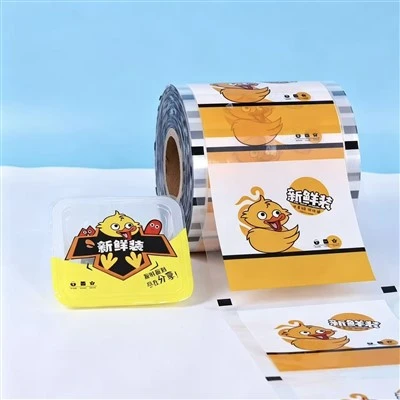
If you’re tired of dealing with damaged products, bad reviews, or customers who aren’t trusting your packaging, hit us up. We can walk you through all these features, help you pick what works for your brand, and make custom bags that actually keep your products safe and your customers happy. Don’t wait till you have another batch of spoiled snacks or damaged electronics to sort out your packaging – reach out now, and let’s make something that works for you.
Self-standing Packaging Bags References:
- FDA. (2023). Food Contact Materials: Safety Assessment of Plastic Packaging. U.S. Food and Drug Administration.
- Static Control Components. (2022). Anti-Static and Static-Dissipating Packaging for Electronics. SCC Industries.
- Packaging Association. (2021). Tamper-Evident Packaging Best Practices for E-Commerce. The Packaging Association.
- BPI. (2023). Certified Compostable Packaging Standards. Biodegradable Products Institute.
- Journal of Packaging Technology and Science. (2020). Barrier Properties of Multi-Layer Polymer Films for Perishable Goods. Wiley Online Library.
Dongguang County Sansheng Plastic Packaging Co., Ltd.
Dongguang County Sansheng Plastic Packaging Co., Ltd. is one of the most professional custom packaging bags manufacturers and suppliers in China, also supports customized service. Welcome to buy advanced custom packaging bags made in China here and get quotation from our factory. Quality products and low price are available.
Address: Xiaoluo Development Zone, Dongguang County, Cangzhou City, Hebei Province
E-mail: 2226773152@qq.com
WebSite: https://www.sanspackagingbags.com/
