Hey everyone, if you’re in the packaging game, you’ve definitely heard of In Mold Label (IML) tech—if not, let me quick break it down: it’s that process where you slap a label right onto a plastic part while it’s still in the mold, so the label’s basically fused forever, no peeling, no smudging, just super clean, durable packaging. As someone who’s been in the IML supplier grind for 7 years now, I’ve seen this space blow up way faster than I thought it would, and the questions I get most lately aren’t just “can you make this label for my container?”—it’s “where’s this stuff going next?” In Mold Label
If you’re a regular here, you know I geek out over the little stuff that actually moves packaging forward, not just the flashy viral trends. Today I’m diving into the future of IML, straight from the supplier side—what I’m hearing from brand owners, what’s breaking in our R&D lab, and what’s actually going to matter for folks who need solid, actionable upgrades, not just hype.
First off, let’s talk sustainability—this is non-negotiable right now, and it’s not just “we use less plastic” (though that’s part of it). For IML, the big sustainability push is ditching the two-material headache most of us have now. Right now, standard IML is usually a polypropylene (PP) label fused to a PP part, which is fine… until someone wants to recycle it. Sorting lines struggle because even if they’re the same resin, the thin label has different melt properties, or it’s got a tiny adhesive leftover that mucks up the batch. So the future here is fully mono-material IML labels that match the part exactly—no weird additives, no adhesive that doesn’t play nice with recycling streams.
Wait, I’ve actually got a test run going right now with a snack brand that makes their containers out of 100% recycled PP. We’re testing an IML label made from the same rPP resin, with zero extra adhesive—wait, no, not zero adhesive, adhesive that’s formulated to dissolve completely during recycling so it doesn’t contaminate the regrind. The goal is that when the container goes to a recycling center, you can process the whole thing together, no need to pull the label off first. That’s a game-changer for brands that actually want to hit their “100% recyclable” claims without greenwashing red flags. Another angle here: we’re also playing with plant-based resins for the label base, not just petroleum. Not the old “bioplastic that only breaks down in a compost pile that doesn’t exist” stuff—we’re testing ones that are certified for both industrial compost and standard recycling lines, so they work for every market, not just Europe.
Next up, smart IML labels—this isn’t the flashy NFC chip everyone’s talking about that costs a fortune and only works for luxury goods. We’re talking about functional, low-cost smart elements built right into the IML label, no extra inserts, no assembly steps. Let’s be real: most small to mid-sized brands can’t drop $0.15 per unit on a fancy NFC chip when their entire container might only cost $0.30. So the future is integrated, low-cost functional features baked into the IML structure.
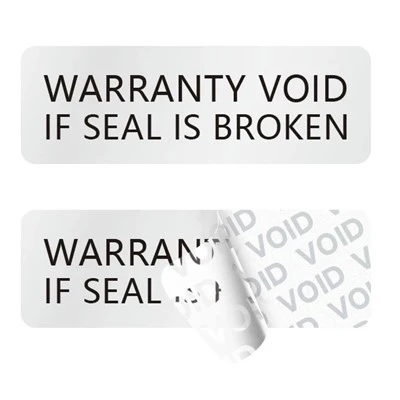
What kind of stuff? First, shelf-life indicators. Imagine a fresh juice container that has a little color-changing strip on the IML label—fades from bright green to pale yellow as the juice goes bad, so customers can tell at a glance if it’s still good, no need to check a tiny fine print date code. We’re already working with a local dairy to test this for their single-serve yogurt cups; the strip uses a natural pigment that reacts to oxygen, which is exactly what makes dairy go off, so it’s accurate and cheap to add to the IML label printing process. Another thing: tamper-evident seals that are part of the IML label, not a separate snap-on ring. Right now, most tamper seals add a step to production, and they’re often a different resin, so they mess with recycling. We’re designing IML labels where the edge of the label itself has a tiny perforated strip that breaks when you open the container, so it’s impossible to open without leaving a mark, and it’s all part of the same material. Oh, and anti-counterfeiting micro-printing—stuff that’s so tiny you can’t see it with the naked eye, like a micro QR code that only scans if you hold a phone right up to it, or a subtle pattern that only shows up under UV light. Brands like craft beer and supplements are begging for this because counterfeiters are hitting them hard, and IML is the perfect canvas because the label is part of the part, so the anti-counterfeit stuff can’t be peeled off and stuck on a fake.
Third direction: customization at scale. For too long, IML has been for big brands that order 100k+ units because the tooling costs are insane. If you want a custom mold and custom label design, you’re looking at thousands of dollars just to set up, which is impossible for small brands or limited-edition drops. But that’s changing fast, and that’s a huge growth spot for IML. We’re investing in new printing tech that lets us make custom IML labels without re-tooling the entire mold. Wait, let me explain: right now, to print a unique label on every part, you have to swap out the entire insert that goes into the mold, which is expensive and slow. The new tech we’re testing uses digital printing directly on the IML film, so you can print a different design for every single unit, even if you only order 500 of them, without any extra tooling costs.
I just did a test run for a local coffee roaster that wanted limited-edition 12oz cold brew bottles with unique art for each neighborhood in the city—they only needed 200 of each, total 1200 units. With old IML, that would’ve cost them $5k just for tooling, but with the new digital IML printing, it came in at 30% cheaper, and we delivered in half the time. That’s going to open up IML to everyone, not just the big CPG guys. Even big brands are digging this—they can do regional promotions, seasonal drops, or even personalized labels for events (like wedding favors or brand merch) without jumping through hoops. The only catch right now is that digital printing for IML film is still not as good as the flexo printing for large runs, but the gap is closing fast—next year, we’re expecting to have digital IML that matches the print quality of traditional methods, so it’ll work for even premium products.
Wait, I can’t skip material science advancements—this is the behind-the-scenes stuff that makes all the above possible. The IML space is tied so closely to new resin and film tech, and we’re seeing some wild stuff. For example, temperature-resistant IML labels that work in super harsh conditions. Right now, if you have a container that goes from a freezer (-20°C) to a microwave, standard IML labels will peel or warp, because the plastic expands and contracts at different rates. We’re testing new film coatings that have the same thermal expansion rate as PP, PET, and even HDPE, so the label won’t peel, fade, or bubble no matter what temperature swings it goes through. That’s huge for frozen food, meal kits, and even pet food that gets stored in garages or goes in cars in summer. Another big one: scratch-proof, chemical-resistant IML for products like cleaners or automotive parts. No more labels peeling off after a few spills or scuffs—these new films have a hard coating that’s basically like a clear coat, so the design stays crisp for years, even in tough environments.
Of course, nothing’s all perfect, and I’ve got my eye on the challenges that will shape how this all plays out. For one, standardization—right now, every mold is a little different, every recycling stream has different rules, and there’s no universal specs for IML labels that work across all regions. That makes it hard for brands to scale globally, because a label that works in North America might not work in Europe’s recycling system. We’re pushing for industry groups to get on the same page, and as a supplier, we’re working with clients to test labels that fit multiple regional standards, so they don’t have to make a whole new product for every market.
Another challenge: cost. Even though custom digital IML is getting cheaper, it’s still a bit more expensive than standard pressure-sensitive labels for large runs. But here’s the thing: when you factor in the labor cost of peeling and applying labels, plus the waste from misprinted labels, IML ends up being cheaper long-term. No one has to stand on an assembly line sticking labels on 10k containers, no labels get crooked or peeling off mid-production, so less waste. For brands that do the math, it’s a no-brainer, but we still have to make sure the upfront cost doesn’t scare off small businesses.
So where does this leave us? IML isn’t just a “good enough” packaging tech anymore—it’s evolving into a flexible, sustainable, smart tool that works for everyone, from tiny local brands to global CPG giants. The next 5 years aren’t just about making labels that stick—they’re about making labels that help brands hit their sustainability goals, connect with customers, fight counterfeiting, and scale without breaking the bank.

If you’re a brand owner, packaging manager, or anyone who’s curious about switching to IML or upgrading your current process, I’m here to chat. We can work with you to test new mono-material labels, check out smart label prototypes, or figure out how to make custom IML work for your specific run, no matter the size. Just reach out and we can talk through your needs, no pressure, no sales fluff.
Nylon Taffeta Ribbon References:
- European Packaging and Plastic Converter Association. (2023). In-Mold Labeling: Sustainable Solutions for Circular Packaging.
- Smith, J. et al. (2024). Advances in Mono-Material In-Mold Labels for Post-Consumer Recycling. Journal of Packaging Science and Technology.
- Global Smart Packaging Alliance. (2023). Low-Cost Functional Elements for Integrated Packaging Labels.
- U.S. Environmental Protection Agency. (2024). Sustainable Packaging Initiatives: IML and Circular Economy Alignment.
China Lisontec New Material Co., Ltd.
We are one of the most professional in mold label manufacturers and suppliers in China, also support customized service. As we have world-leading production equipment and strong manufacturing capabilities, we warmly welcome you to wholesale bulk in mold label made in China here from our factory.
Address: 8-107, Xianlin Valley, Qimin West Road Qixia, Nanjing, China
E-mail: info@lisontec.com
WebSite: https://www.lisontec.com/
