As a supplier of EVA coated mesh fabric, I’ve often been asked about the thermal stability of this remarkable material. In this blog, I’ll delve into the concept of thermal stability, explain how it relates to EVA coated mesh fabric, and discuss its implications for various applications. EVA Coated Mesh Fabric

Understanding Thermal Stability
Thermal stability refers to a material’s ability to resist changes in its physical and chemical properties when exposed to elevated temperatures. For polymers like EVA (ethylene-vinyl acetate), thermal stability is crucial because high temperatures can cause degradation, which may lead to a loss of mechanical strength, changes in appearance, and reduced functionality.
The degradation of EVA can occur through several mechanisms, including chain scission, cross-linking, and oxidation. Chain scission involves the breaking of polymer chains, which can lead to a decrease in molecular weight and a corresponding reduction in mechanical properties. Cross-linking, on the other hand, can cause the material to become more rigid and less flexible. Oxidation occurs when the polymer reacts with oxygen in the air, leading to the formation of new chemical bonds and a change in the material’s properties.
Thermal Stability of EVA Coated Mesh Fabric
The thermal stability of EVA coated mesh fabric is influenced by several factors, including the composition of the EVA resin, the thickness of the coating, and the presence of additives.
EVA Resin Composition
The ratio of ethylene to vinyl acetate in the EVA resin plays a significant role in determining its thermal stability. Generally, EVA resins with a higher vinyl acetate content have lower thermal stability because the vinyl acetate groups are more susceptible to degradation at high temperatures. However, these resins also offer better flexibility and adhesion, which are desirable properties for many applications.
Coating Thickness
The thickness of the EVA coating on the mesh fabric can also affect its thermal stability. A thicker coating provides more protection to the underlying mesh, reducing the risk of degradation. However, a very thick coating may also increase the weight of the fabric and reduce its breathability.
Additives
Additives such as antioxidants, UV stabilizers, and flame retardants can be added to the EVA coating to improve its thermal stability. Antioxidants help to prevent oxidation by scavenging free radicals, while UV stabilizers protect the material from the harmful effects of ultraviolet radiation. Flame retardants can reduce the flammability of the fabric, making it safer to use in applications where fire is a concern.
Testing Thermal Stability
To determine the thermal stability of EVA coated mesh fabric, several testing methods can be used. One common method is thermogravimetric analysis (TGA), which measures the weight loss of a sample as it is heated at a constant rate. The onset of weight loss indicates the temperature at which degradation begins, and the rate of weight loss can provide information about the severity of the degradation.
Another method is differential scanning calorimetry (DSC), which measures the heat flow into or out of a sample as it is heated or cooled. DSC can be used to determine the melting point, glass transition temperature, and other thermal properties of the EVA coating.
Applications and Thermal Stability Requirements
The thermal stability of EVA coated mesh fabric is an important consideration in many applications. Here are some examples:
Outdoor Applications
In outdoor applications such as awnings, tents, and garden furniture, the fabric is exposed to sunlight, heat, and humidity. A high level of thermal stability is required to ensure that the fabric does not degrade over time and maintain its appearance and functionality.
Automotive Interiors
In automotive interiors, EVA coated mesh fabric is used for seat covers, door panels, and headliners. The fabric must be able to withstand the high temperatures inside a car, especially in hot climates. Thermal stability is essential to prevent the fabric from cracking, fading, or losing its mechanical properties.
Industrial Applications
In industrial applications such as conveyor belts, filtration systems, and protective clothing, the fabric may be exposed to high temperatures during processing or use. A high level of thermal stability is required to ensure that the fabric can perform its intended function without degradation.
Maintaining Thermal Stability
To maintain the thermal stability of EVA coated mesh fabric, it is important to store and handle the fabric properly. The fabric should be stored in a cool, dry place away from direct sunlight and heat sources. When using the fabric, it is important to avoid exposing it to temperatures above its recommended maximum operating temperature.
Conclusion
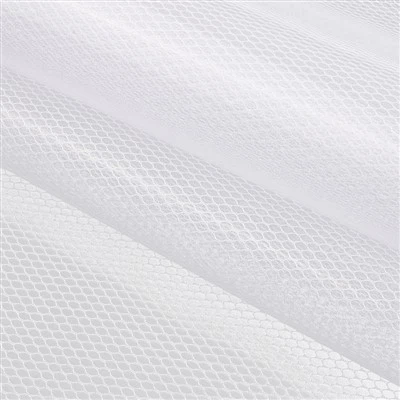
The thermal stability of EVA coated mesh fabric is a critical property that affects its performance and durability in various applications. By understanding the factors that influence thermal stability and using appropriate testing methods, we can ensure that our EVA coated mesh fabric meets the highest standards of quality and reliability.
PVC Film If you are interested in purchasing EVA coated mesh fabric for your specific application, I encourage you to contact me to discuss your requirements. I can provide you with detailed information about our products, including their thermal stability, and help you choose the right fabric for your needs.
References
- "Polymer Science and Technology" by Donald R. Paul and C. B. Bucknall
- "Thermal Analysis of Polymers: Fundamentals and Applications" by Brian Wunderlich
Nantong Dahe Composite New Material Technology Co., Ltd.
We’re well-known as one of the leading EVA coated mesh fabric manufacturers and suppliers in China, specialized in providing high quality customized products to global clients. Please feel free to wholesale cheap EVA coated mesh fabric in stock here from our factory. Contact us for quotation and free sample.
Address: South Side of Pinghai Highway, Pinghe Village, Dongshe Town, Tongzhou District, Nantong City, Jiangsu Province, China
E-mail: nantongdahe@outlook.com
WebSite: https://www.cndahetech.com/
