Alright, let’s cut to the chase—if you’re reading this, odds are you’ve heard niobium is a big deal in some niche, high-stakes industries, and you’re probably wondering: what the hell even are niobium sheet products good for, anyway? As a niobium products supplier, I’ve spent the last decade geeking out over this stuff, fielding texts from aerospace engineers panicking over a component failure, and even getting DMs from med tech folks who swear by niobium for a weirdly specific surgical part. Let’s break this down without the stuffy textbook jargon, yeah? Niobium Products
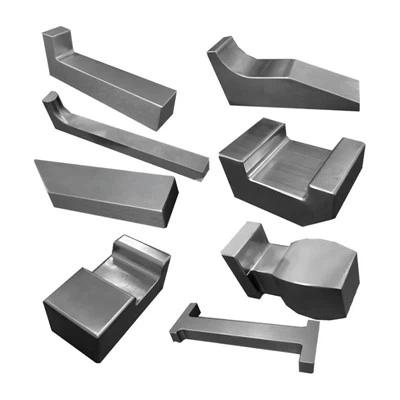
First, let’s get the basics out of the way for anyone who’s here but still mixing up niobium with titanium (don’t worry, I get it—they’re both silver, weirdly strong, and sound like they should be in a superhero movie). Niobium, also called columbium for the old heads, is a transition metal with a superpower most other metals don’t have: it’s got an insane melting point (2,468°C, for anyone counting) and it’s basically immune to corrosion from most acids, even the nasty stuff like sulfuric acid. Niobium sheets are just thin, flat slabs of this metal—custom-cut to whatever thickness you need, from foil-thin stuff for electronics to half-inch thick chunks for rocket parts. The functions of these sheets? They’re not random—they’re tailored to that unique blend of heat resistance and corrosion resistance that makes niobium better than almost any other material in these specific use cases.
Let’s start with the one that pays most of our bills: aerospace and defense. If you’ve ever seen a rocket launch, the thing that blows my mind is how the engine bell glows cherry red mid-burn—like, really hot. Most metals would melt or warp at those temps, but niobium sheets? They take that heat like a champ. We supply custom niobium sheet liners for rocket engine combustion chambers and nozzle throats all the time. Wait, but why not use something like Inconel? Oh, right—Inconel works, but niobium has a higher melting point and is lighter, which is huge for aerospace. Every pound you save on a rocket is millions in launch costs, so swapping a heavier metal for niobium sheets is a no-brainer for teams trying to hit tight weight targets. We also do niobium sheet components for hypersonic vehicles—those things go Mach 5+, so the outer skin has to handle constant friction heat, and niobium doesn’t oxidize like titanium does when it’s that hot. I once had an engineer from a defense contractor call me at 2 a.m. panicking because their titanium component was cracking during a hypersonic test; we overnighted a custom niobium sheet blank, and they came back the next week saying it ran perfectly. That’s the kind of stuff that makes this job worth it.
Next up, the one I never would’ve guessed was a big niobium sheet use: medical devices. If you’ve ever had a pacemaker, a hip replacement, or even a dental implant, you might’ve interacted with niobium (or at least a niobium sheet-derived part). Wait, why niobium for medicine? It’s not just corrosion-resistant—it’s also biocompatible, meaning your body doesn’t attack it like it does some metals. We supply thin niobium sheet foils for implantable neurostimulator casings, actually. Those little devices are in your body for decades, so they can’t corrode or leach any yucky metals. Niobium does both. Also, here’s a cool quirk: if you anodize niobium sheets (run an electric current through them in an acid bath), you get a thin oxide layer that makes the metal turn different colors—like deep blue, pink, even purple. Some medical device makers use that for surface markers, so surgeons can tell different implant parts apart mid-operation. I once met a cardiologist who told me niobium is a game-changer for leadless pacemakers because it’s soft enough to mold slightly, yet strong enough to not break inside someone’s chest. And yeah, we make custom-cut niobium sheet parts for that exact use. No fancy metals, just reliable stuff that doesn’t fail when someone’s life depends on it.
Then there’s the industrial chemistry side, which is the underrated workhorse of niobium sheet demand. Chemical processing plants deal with some of the nastiest, most corrosive fluids on the planet—like concentrated sulfuric acid, phosphoric acid, the stuff that makes fertilizer and batteries. Most metal tanks would eat through those acids in weeks, but niobium sheets? They can hold up for years. We supply niobium sheet linings for chemical reaction vessels, heat exchangers, and even pipes that carry these corrosive fluids. Wait, let’s be real—most plants use plastic or steel liners, but those wear out fast, leading to downtime that costs millions. Niobium sheet liners might cost a bit more upfront, but they last 10x longer, so it’s a net win. We had a fertilizer plant in Iowa call us a couple years ago because their steel pipe was corroding through every 6 months; we installed niobium sheet clad pipes, and they told me a year later they hadn’t had a single leak. That’s the kind of ROI no beanhead can argue with. Also, with the lithium battery boom right now? A lot of those plants use niobium sheet components to process lithium ore, since lithium is super corrosive to most metals. So yeah, niobium sheets are helping power the EV revolution too—who would’ve thought?
Wait, I can’t forget the electronics side, because that’s the fast-growing one. Modern electronics—like the semiconductors in your phone, the capacitors in renewable energy inverters—need materials that can handle tiny spaces and extreme conditions. Niobium is a key material for high-performance capacitors, and we make thin niobium sheet foils for that. Let me explain: capacitors store energy, and niobium’s oxide layer is perfect for holding that charge without taking up too much space. So we supply ultra-thin niobium sheets (like 0.001mm thin—thinner than a human hair) to semiconductor manufacturers who use them in power conversion chips for solar panels and EV chargers. Those chips need to be small, light, and super efficient, and niobium sheets check all those boxes. We also do niobium sheet parts for sputtering targets, which are used to deposit thin metal layers on semiconductors. If you’ve got a smartphone, there’s a good chance a niobium sheet we made was part of making one of its chips. That’s wild to think about, right? A thin metal sheet sitting in a factory somewhere, helping your phone charge fast.
Now, let’s get real for a second—this isn’t a “niobium is the best metal ever” rant. It’s about functions, and those functions only matter because niobium sheet products hit a unique sweet spot no other metal can. Let’s recap to make it simple:
- Aerospace & defense: High heat resistance, low weight, corrosion resistance → used for rocket engines, hypersonic parts, missile components.
- Medical devices: Biocompatible, corrosion-resistant, anodizable → used for pacemakers, neurostimulators, implants.
- Industrial chemistry: Unmatched corrosion resistance to harsh acids → used for chemical linings, pipes, heat exchangers.
- Electronics & renewables: High charge capacity, thin form factor → used for capacitors, semiconductors, solar components.
And as a supplier, I’ll tell you—we don’t just sell flat sheets. We work with clients to custom-cut them to exact dimensions, machine them, even coat them if needed. Need a niobium sheet that’s 0.5mm thick and 2ft wide for a rocket nozzle? We can do that. Need a 0.002mm thin niobium foil for a battery capacitor? We’ve got that. No off-the-shelf garbage—just material that’s tested to meet industry standards, because if it fails, people (or rockets, or chemical plants) pay the price.

Look, if you’re a procurement manager at a company working on aerospace, medical devices, chemical processing, or electronics, you don’t have time to mess with materials that don’t deliver. We’ve been in this game long enough to know that niobium sheet products aren’t a “nice-to-have”—they’re a critical part that makes big, important projects work. If you’re tired of materials that corrode, melt, or underperform under pressure, let’s talk. We don’t do confusing jargon or hidden fees—just straight talk, reliable niobium sheets, and support that’s there when you need it, day or night. Hit us up to chat about your next project, no obligation.
Tungsten Products References:
- ASM International. Niobium and Niobium Alloys for High-Temperature Applications.
- International Organization for Standardization (ISO). Medical Devices – Metallic Materials for Implants.
- U.S. Geological Survey (USGS). Niobium Statistics and Information.
- Semiconductor Industry Association (SIA). Materials for Advanced Semiconductor Packaging.
- Chemical Processing Magazine. Corrosion-Resistant Materials for Harsh Acid Applications.
Address: Wangjing Science and Technology Park, Guangshun North Street, Chaoyang District, Beijing
E-mail: sales@moly-tungsten.com
WebSite: https://www.moly-tungsten.com/
