Hey there, if you’re reading this, you’re probably a tank trailer operator, fleet manager, or maybe a newbie who just got handed the keys to a unit and has no clue how to tackle that post-drop cleaning job. Spoiler: cleaning a tank trailer isn’t just hosing it down like a regular flatbed—skip that, and you’ll end up with residue buildup, cross-contamination headaches, or even safety issues that’ll cost you way more time and money than taking it slow. As a tank trailer supplier, we work with crews every single week who’ve dealt with the messy aftermath of skipping steps, so let’s break this down like we’re chatting over a coffee (no stuffy jargon, promise). Tank Trailer

First off, let’s talk about why this isn’t a one-size-fits-all task. The stuff you haul changes everything: milk, diesel, chemicals, food-grade syrup, industrial solvents—each leaves totally different residue. If you just hauled a load of non-food grade motor oil and next up is apple juice? You can’t just spray water and call it good. That oil’s gonna ruin the juice, get that load rejected, and maybe even get you flagged by the FDA if you’re in the food game. Same goes for corrosive chemicals—skip the right cleaning steps, and you’ll eat through the tank lining way faster, leading to expensive repairs way before they should hit. I’ve seen fleets drop a tank trailer after 5 years because they cut corners on cleaning, when it should’ve lasted 10. That’s why we make sure every new trailer we sell comes with a quick-start cleaning cheat sheet tailored to the lining—aluminum, stainless steel, food-grade poly, all have their own rules.
Let’s start with the basic, no-fail prep you should do every time, no matter what you just hauled. First, pull the trailer to a designated cleaning spot—you can’t do this on a public road, and definitely not in a way that runoff gets into drains or water sources. Local environmental rules are strict here; fines for illegal cleaning runoff aren’t worth it. Next, check the tank’s documentation (we include a little pouch with the trailer that has this) to confirm the lining and last load type—yes, even if the driver swears they “totally drained it all.” Never take a driver’s word for it; open the manway and take a quick whiff and look. If there’s still residue gunked on the bottom or walls, don’t skip that. Also, make sure all valves are closed tight until you’re ready to drain, and wear the right gear: gloves, goggles, non-slip boots, even a respirator if you’ve got fumes from the last load. Simple, but way too many people skip PPE and end up with burns or bad fume headaches.
Now, let’s split this into two main scenarios because that’s how most folks operate: food-grade tank trailers and non-food grade/chemical tank trailers. We sell both, so this is stuff we drill into every customer when they pick up a unit.
First up, non-food grade—this includes fuel, oil, industrial chemicals, anything that’s not for human consumption. Let’s say you just dropped a load of hydraulic fluid. Step 1: Drain everything first. Open the bottom drain valve fully, and let it sit for 10-15 minutes to get all the thick gunk out. If there’s a residue plug in the drain, use a plastic scraper (never metal—you don’t want to scratch the tank lining) to nudge it loose. Next, a pre-rinse with warm (not boiling) water—hotter water cuts through oil and grease way better than cold. Use a pressure washer set to 1,500-2,000 PSI for the inside (higher PSI can damage lining if you hold it too close) and 2,500 for the exterior. Work from the top down so dirty water doesn’t just hit clean areas. Once you’ve rinsed the inside out, check for spots that still look or smell like hydraulic fluid. If yes, you’ll need a mild alkaline cleaner—wait, don’t use heavy duty stuff here, it’s overkill and can leave its own residue. Mix it per the instructions (we recommend specific cleaners that play nice with tank linings, not random stuff from the auto parts store) and run it through a recirculation step. That means you pump the cleaner solution into the tank, let it slosh around for 20-30 minutes, maybe give it a gentle agitate with a hose wand if you can reach the walls, then drain it all. Follow that with a second warm water rinse to get all cleaner out. For really tough stuff—like asphalt or heavy crude oil—you might need a heated solution, but never exceed the lining’s max temp (check that cheat sheet we mentioned earlier; our stainless steel units can handle up to 180F, food-grade poly is capped at 120F). Once it’s done, open the manway and let the tank air out for a couple hours, maybe even overnight if you have time, so it’s fully dry before the next load.
Now, food-grade tank trailers—this is where you can’t mess up. If you haul milk, juice, beer, any product people eat or drink, cleanliness is non-negotiable. Cross-contamination is a huge deal here, even a tiny bit of soap residue or leftover from a previous non-food load will get you a rejected load or regulatory fines. Prep is even more strict here: first, if you just hauled something like whole milk, drain all of it, then do a pre-rinse with 120F water (max temp for food-grade linings is 140F, never go over that). Recirculate that pre-rinse for 10 minutes, drain it completely. Next, use a food-grade alkaline cleaner—again, only stuff approved for food contact, no random chemicals. Mix it at the right concentration (too strong leaves residue, too weak won’t cut the milk fat). Recirculate this for 20 minutes, making sure all walls, top, and bottom get hit. Then do a first rinse with potable water (super important—only use water that’s safe to drink, not well water with weird stuff in it). Recirculate that for 5 minutes, drain. Then a second rinse, same deal, maybe third if you’re switching between totally different food products (like from chocolate syrup to orange juice, which have totally different residues). Wait, and if you’ve just hauled a non-food load before switching to food? You have to do a deep clean with a sanitizer, not just a regular rinse. Sanitizers for food-grade tanks should be chlorine-based or peracetic acid, again, approved for contact. Recirculate the sanitizer for 15 minutes, drain, do one final potable water rinse. And always test the last rinse water for pH levels—super easy with cheap test strips from a hardware store. If it’s between 6.5 and 7.5, it’s good; if not, you missed cleaner and need another rinse. We’ve had customers who skip the test strip end up with a $10k load of juice ruined because of leftover soap, so that step is non-negotiable.
A few pro tips we’ve picked up working with tank trailer crews for years. First, don’t wait to clean the tank! The longer residue sits, the harder it is to get off. If you drop a load at 3pm, clean it that day, not the next morning when the gunk has dried and hardened. That cuts your cleaning time in half, guaranteed. Second, maintain your gear—your pressure washer, hoses, valves, all that stuff. A worn pressure washer won’t get enough PSI, so you’ll end up re-cleaning the tank twice. And if your tank has any dents or lining scratches, get them fixed before hauling anything sensitive. Scratches trap residue, no matter how hard you clean. Third, keep a cleaning log. It doesn’t have to be fancy—just a notebook that says date, last load, cleaning products used, who did it. If you ever get audited (for food or chemicals), or if there’s a residue complaint, you’ll have a paper trail to prove you did everything right. We give a free cleaning log template to every customer when they buy a tank trailer from us, because it’s that important.
Wait, also, what about the exterior? A lot of people think the inside is the only part that matters, but the exterior matters too. Road grime, chemical splashes, dirt—if you let that build up, it can eat at the trailer’s exterior paint, leading to rust which weakens the unit over time. For non-food trailers, a monthly exterior wash with a mild detergent and pressure washer is enough, but for food-grade, you should wash the exterior at the same time as the inside, and make sure any splashes on the manway or valves get wiped down too. Those are easy spots to miss.
And let’s talk about mistakes we see all the time that make cleaning way harder. First, using metal brushes or scrapers inside the tank. They scratch the lining, and even a tiny scratch is a place residue hides and bacteria grows (especially in food-grade tanks). We recommend plastic scrapers only, like the ones you use for window cleaning. Second, not draining all the water at the end. If you leave standing water in the tank, that leads to rust, mold, and even lining degradation over time. Always open all drain valves after cleaning, and maybe even prop the manway open a crack so air can circulate and it dries fully. Third, overusing cleaners. It’s tempting to pour a whole bottle of alkaline cleaner because you’re in a hurry, but that leaves its own residue, is bad for the environment, and can eat at the lining if you use it too often. Follow the instructions on the cleaner, no shortcuts.
Now, if you’re in the market for a tank trailer that makes this whole cleaning process easier? We build our units with lining markings and accessible valve access so you don’t have to crawl around the tank trying to find the drain. We even include a video cheat code (QR code on the trailer door) that walks you through the cleaning steps for your specific model—no more fumbling with a paper manual that gets wet or lost. We’ve heard so many customers say that little QR code cut their cleaning time by 20%, which is huge when you’re trying to turn a trailer around fast to get another load.
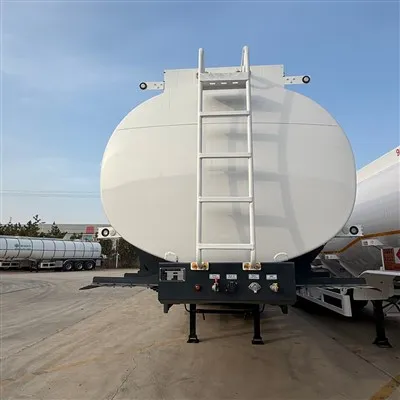
If you’ve got questions about cleaning your specific tank trailer model, or you’re looking to upgrade to a unit that makes maintenance and cleaning less of a headache, reach out anytime. We work with fleets of all sizes, from owner-operators with one trailer to big companies with 50+ units, and we can help you figure out a cleaning routine that fits your hauling needs, no matter if you’re moving milk, fuel, or industrial chemicals.
Tank Trailer References:
- North American Tank Carrier Association. Tank Trailer Cleaning Best Practices. 2021.
- FDA. Food Grade Transport Vehicle Cleaning and Sanitization Guidelines. 2022.
- International Organization for Standardization. ISO 14906: Road Tankers for the Transport of Dangerous Goods. 2018.
- Environmental Protection Agency. Spill Prevention, Control, and Countermeasure (SPCC) Rules for Tank Trailer Cleaning. 2020.
Shandong Huayuanda Automobile Manufacturing Co., Ltd.
As one of the most experienced tank trailer manufacturers and suppliers in China, our products have good reputation in the market. We warmly welcome you to buy high quality tank trailer at low price from our factory. If you have any enquiry about cooperation, please feel free to email us.
Address: Industrial Park, Quanpu Town, Liangshan County, Jining City, Shandong Province
E-mail: Huayuanda2024@163.com
WebSite: https://www.hydtrailer.com/
