Hey guys, let’s cut to the chase – I get it. You’ve got a PVC wall up, it’s solid, it’s cheap, and it’s been doing its job fine… but now you’re thinking about upgrading it with those sleek aluminum wall panel profiles. Maybe you want a polished kitchen backsplash, a modern accent wall in your living room, or something that’ll hold up way better than PVC when it comes to moisture or scuffs. But here’s the thing: a lot of folks ask me, our team at [my company name], the aluminum wall panel profile supplier, “Wait, can I even put aluminum profiles on a PVC wall?” And the answer is YES – as long as you do it right. Mess this up, and you’ll get profiles that pop loose, gaps that bug you, or even PVC damage that’s a pain to fix. I’ve seen so many DIYers skip steps and end up redoing the whole thing, so today I’m walking you through exactly how to pull this off like a pro, no fancy tools required. aluminum wall panel profile

First, let’s get one myth out of the way early. A lot of people think PVC is too soft to hold aluminum profiles – or that the two materials will react weird over time. Nah, that’s only if you’re using the wrong fasteners or prep work. PVC’s rigid (most of the time, anyway) and our aluminum profiles are lightweight enough that they don’t need heavy-duty anchors. The biggest thing here is matching your materials and taking it slow, not rushing to drill or glue. I’ve been selling aluminum wall panel profiles for 7 years now, and I’ve helped hundreds of contractors and DIYers get this right – so trust me, I’m not here to give you some AI-generated generic steps. This is the stuff we actually tell our customers when they call panicking about their PVC wall setup.
Let’s start with the pre-install prep, because this is where 90% of mistakes happen. You wouldn’t paint a dirty wall, right? Same rule applies here. First step: Clear the area. Remove any picture frames, outlets, baseboards – anything that’s in the way of where you’re putting the profiles. If you’re working on a bathroom wall, wipe down every inch of PVC with a gentle all-purpose cleaner, no harsh chemicals like acetone or bleach. Those can etch PVC and leave rough spots that make adhesion garbage. Dry it completely with a lint-free cloth – no moisture means no weird gaps later.
Next, inspect the PVC wall. Run your hand over every inch, look for dents, peeling PVC film, or loose spots. If you find a flaky section, pull it off gently – don’t just drill over it, because the profile will pull that loose spot right off with it. If there are small cracks, you can smooth them out with a little PVC filler, let it dry, and sand it down so it’s flush. This is super important: aluminum wall panel profiles need a flat, stable base to sit on. Any lumps or bumps will make your final install look uneven, and that’s not the sleek look you’re going for.
Wait, also measure twice, cut once – that’s basic, but worth mentioning. Measure the height and width of the space you’re covering, then mark where each profile will go with a pencil and a level. Don’t skip the level! Even a tiny slant will be noticeable once the profiles are up. If you’re running vertical profiles, mark every 16 or 24 inches (standard stud spacing) – that’s where you’ll be securing them, so spacing them evenly makes the install look intentional, not messy. If you’re using horizontal profiles, same rule: mark every stud, or if your PVC is on a smooth, stud-free wall, mark every 12 inches for extra hold.
Now, let’s talk tools and materials, because you don’t need a whole workshop for this. From our side as the aluminum wall panel profile supplier, the only material you need from us is the right profiles – pick the ones that match your project: slim ones for backsplashes, thicker ones for accent walls. The rest you can pick up at any local hardware store, no specialty stuff. Here’s the list: a pencil, a tape measure, a level, a drill (cordless is way easier), a Phillips-head drill bit (or a self-drilling screw bit, which cuts out a step), and the right fasteners. This is non-negotiable: use PVC-compatible screws. Regular drywall screws can actually damage PVC and cause it to crack. We always recommend our customers get zinc-plated steel or stainless steel screws that are 1/2 inch shorter than the thickness of your profile – so if your profile is 1/4 inch thick, use 1/8 inch long screws. That way, they go through the profile and grab the PVC without poking all the way through the wall. Oh, and a tiny thing: a small wire brush to clean any PVC dust after drilling – that’s the stuff that ruins adhesion.
Now, the actual installation steps, and this is where I’m going to break it down simply, step by step, no jargon. Let’s start with corner profiles first, because corners are the easiest to mess up. If you’re doing an outside corner, align the aluminum corner profile so it’s perfectly straight, mark the holes through the pre-drilled holes in the profile (most of our aluminum wall panel profiles come with pre-punched holes, which saves you so much time – I wish every brand did that!). Then, drill a pilot hole at each mark – pilot holes are key for PVC, because drilling straight in can split it. Make the pilot hole just a hair smaller than your screw’s diameter. Then, drive the screw in, but don’t crank it too tight! Over-tightening will warp the aluminum or crack the PVC. You want the screw snug, but you can still wiggle the profile a tiny bit if you need to adjust it.
For straight wall profiles (like the ones you run between corners), same process: align it with your level, mark the hole positions, drill pilot holes, screw in. But wait – if your PVC wall is in a high-moisture area, like a shower or kitchen backsplash, we always recommend adding a small amount of silicone adhesive around the edges of the profile before screwing it in. That extra layer creates a water-tight seal, so no moisture gets behind the profile and causes mold or peeling PVC. Don’t use construction adhesive, though – it’s way too strong and will be a nightmare to remove if you ever need to adjust something. Clear silicone caulk is perfect, it’s flexible and holds just enough.
Now, what about when you’re joining two aluminum profiles in the middle of a wall? Like, if your wall is 10 feet wide and your profiles are only 8 feet long. Here’s the trick: cut the end of one profile at a 45-degree angle, so the two ends meet seamlessly. Leave a 1/16 inch gap between the two ends for expansion – aluminum expands when it’s hot, so if you butt them tight, they’ll warp and pull apart as temperatures change. Then, screw each profile in, and fill the small gap with matching silicone caulk so it’s barely noticeable. I’ve seen people skip that expansion gap and end up with big cracks a year later – don’t do that, it’s a quick step that saves you a headache.
Wait, let’s talk about common mistakes I see all the time, because even if you follow the steps, it’s easy to slip up. First: Drilling too big a pilot hole. If your pilot hole is the same size as the screw, it won’t grab the PVC, and the profile will fall off. If it’s too small, you’ll crack the PVC when you drill. Test a scrap piece of PVC and a scrap of your aluminum profile first, before you do the whole wall – that way you get the right size. Second: Not cleaning the PVC before installing. Even if you think it’s clean, there might be residual dirt from the factory, or wax that’s not visible. Wipe it down with isopropyl alcohol (a 70% mix works great) before prep, that’s the best way to get a smooth surface. Third: Using too many screws. You don’t need a screw every 6 inches. For standard profiles, one screw every 12 inches is enough, as long as you’re screwing into the wall studs or using the right fasteners. Too many screws just waste time and can split the aluminum.
Another question I get all the time: Can I use adhesive only, no screws? It depends. If your profiles are super lightweight (like thin 1mm aluminum for a small accent wall) and you’re putting them in a low-moisture, low-traffic area, adhesive works. But for most cases, screws are non-negotiable. PVC can hold adhesive, but it’s not as strong as wood or concrete, so over time, heavy profiles might fall off. We always recommend a combination of screws and silicone adhesive for most installs – that way you get the stability of screws and the seal of silicone, and it lasts way longer.
Now, let’s talk about finishing touches, because that’s what makes the whole thing look professional. Once all your profiles are screwed in, wipe away any excess silicone with a damp cloth before it dries, so it’s smooth. Then, fill any small gaps between the profiles and the PVC wall with matching caulk. If your profiles are silver aluminum, use clear silicone; if they’re black or bronze, get colored silicone that matches the profile – it makes the gaps disappear. Also, if you installed profiles around outlets or switches, make sure you cut out a notch in the profile for the outlet, so the outlet fits flush when you put the cover back on. Measure the outlet’s size, mark it on the profile, and cut it with a jigsaw or a utility knife – easy enough, just take your time so you don’t mess up the cut.
Wait, what if you’re working on a textured PVC wall? Like, the kind that looks like wood or stone? Same steps apply, just make sure you smooth out any extra texture with a little PVC filler before installing, so the profile sits flat. Textured walls can make the profile rock if you don’t fill those tiny bumps, so that’s an extra step to note.
Let me give you a real example, to make this concrete. Last month, a customer named Jake called me – he was remodeling his basement, had textured PVC walls, wanted to add aluminum wall panel profiles along the base of the wall to keep the PVC from scuffing. He tried to install them with just adhesive, and a week later, half of them fell off. I walked him through the steps: we picked his aluminum wall panel profiles (1/4 inch thick, perfect for baseboards), he prepped the wall by scraping loose PVC, cleaned it with alcohol, drilled pilot holes, used 1 inch PVC screws, added a bead of silicone along the back of each profile. That was two months ago, and he texted me last week saying they’re still perfect, no gaps, no peeling. That’s exactly what we want for our customers – stuff that works, not another DIY fail.
Now, a quick note on care, because it makes the install last even longer. Aluminum wall panel profiles on PVC walls don’t need much – just wipe them down with a damp cloth every few months, no harsh cleaners. If they get scuffed, you can use a soft eraser to rub out minor marks. The PVC wall will hold up fine as long as you didn’t damage it during install, so that’s it.
Before I wrap this up, I want to remind you that this is all about getting the right aluminum wall panel profiles for your project. If you’re not sure which size or style to pick, our team is here to help – we’ve got samples, we can answer questions, no pressure to buy anything right away. A lot of suppliers will just send you a catalog and disappear, but we’re here for the whole process, from picking profiles to making sure your install goes smoothly.
If you’re ready to grab the profiles you need, just reach out to our team to start chatting about your project. We can help you pick the right profiles, answer any last-minute questions, and get you set up with what you need to finish your wall like a pro. No complicated forms, no sales pitches – just real people helping you get the job done.
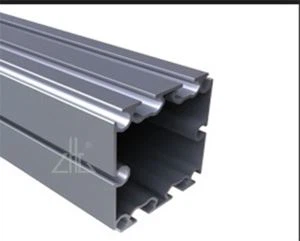
At the end of the day, installing aluminum wall panel profiles on a PVC wall isn’t as hard as it sounds. The biggest keys are prep work, using the right tools and fasteners, and taking your time instead of rushing. I’ve seen so many people go from nervous about the project to proud of the final result – and that’s exactly what we want to help you do. So don’t overthink it, grab your materials, and go for it. If you hit a snag, just hit us up – we’ve got your back.
Brushed Aluminum Profile References
- PVC Installation and Repair Guide, National Association of Home Builders (NAHB), 2022.
- Aluminum to PVC Fastening Best Practices, American Architectural Manufacturers Association (AAMA), 2021.
- Residential Wall Cladding Installation Standards, International Code Council (ICC), 2020.
- Silicone Adhesives for Interior Construction, Construction Specification Institute (CSI), 2023.
Foshan Pailian Aluminium Ltd
Foshan Pailian Aluminium Ltd is one of the most professional aluminum wall panel profile manufacturers and suppliers in China. With the aid of experienced staff and advanced equipment, we can assure you the high quality, high precision and excellent design of our products. Come and wholesale the cheap aluminum wall panel profile made in China here from our factory. Customized orders are welcome.
Address: 1802A, 1802B, 1802C, 1802D, 1802E,18th Floor, Aluminum Association Building, NO.70 Lingnan Road,DALI FOSHAN CITY,GUANGDONG ,CHINA
E-mail: zhlaluminum@gmail.com
WebSite: https://www.pailian-aluminium.com/
