Rigging chains are a staple in many industrial applications, known for their strength and durability. As a supplier of rigging chains, I often receive inquiries from various industries, including chemical plants. The question that frequently arises is: Are rigging chains suitable for use in chemical plants? In this blog post, I will delve into this topic, exploring the factors that determine the suitability of rigging chains in chemical plant environments, the potential challenges, and the solutions we offer. Rigging Chains

Understanding the Chemical Plant Environment
Chemical plants are unique industrial settings where the production, storage, and handling of chemicals are the norm. These environments are characterized by a high degree of chemical exposure, extreme temperatures, humidity, and the presence of corrosive substances. Chemicals such as acids, alkalis, and solvents can have a detrimental effect on the materials used in rigging chains, potentially compromising their integrity and safety.
Moreover, chemical plants often operate under strict safety regulations and standards. The use of equipment that is not suitable for the environment can lead to accidents, injuries, and even environmental disasters. Therefore, it is crucial to carefully evaluate the suitability of rigging chains before using them in chemical plants.
Factors Affecting the Suitability of Rigging Chains in Chemical Plants
Chemical Compatibility
One of the primary factors to consider when using rigging chains in chemical plants is the chemical compatibility of the chain material with the chemicals present in the environment. Different metals react differently to various chemicals. For example, regular carbon steel chains are highly susceptible to corrosion when exposed to acids and alkalis. In such cases, the chains can rust and weaken over time, increasing the risk of failure.
On the other hand, stainless steel chains are more resistant to corrosion due to the presence of chromium, which forms a protective oxide layer on the surface of the metal. However, not all stainless steels are created equal. Some grades of stainless steel may still be vulnerable to certain chemicals, such as chlorides, which can cause pitting corrosion.
Temperature and Humidity
Chemical plants often operate at high temperatures or in humid conditions, which can also affect the performance of rigging chains. High temperatures can cause metals to expand, which may lead to changes in the chain’s dimensions and reduce its strength. Additionally, humidity can accelerate the corrosion process, especially in the presence of certain chemicals.
Load Capacity and Safety
In addition to chemical and environmental factors, the load capacity and safety requirements of the rigging chains are also critical. Chemical plants typically involve the lifting and moving of heavy equipment and materials. Therefore, the rigging chains must be able to withstand the required loads without breaking or failing. Safety factors, such as the working load limit (WLL) and the minimum breaking strength (MBS), must be carefully considered to ensure the safe operation of the rigging chains.
Challenges of Using Rigging Chains in Chemical Plants
Corrosion
As mentioned earlier, corrosion is one of the most significant challenges when using rigging chains in chemical plants. Corrosion can weaken the chains, reduce their load capacity, and increase the risk of failure. In severe cases, corrosion can cause the chains to break, leading to accidents and damage to equipment.
Chemical Contamination
Another challenge is chemical contamination. When rigging chains come into contact with chemicals, they can absorb and retain these substances. This can not only affect the performance of the chains but also pose a risk to the environment and human health if the contaminated chains are not properly cleaned and maintained.
Maintenance and Inspection
Maintaining and inspecting rigging chains in chemical plants can be a complex and time-consuming process. Due to the harsh environment, the chains need to be inspected regularly for signs of corrosion, wear, and damage. Any damaged or corroded chains must be replaced immediately to ensure the safety of the operation.
Solutions for Using Rigging Chains in Chemical Plants
Selecting the Right Chain Material
To overcome the challenges of using rigging chains in chemical plants, it is essential to select the right chain material. As mentioned earlier, stainless steel chains are generally more suitable than carbon steel chains due to their better corrosion resistance. However, the specific grade of stainless steel should be chosen based on the chemicals present in the environment. For example, for applications where the chains will be exposed to chlorides, a high-alloy stainless steel, such as grade 316L, may be more appropriate.
Surface Treatments
In addition to selecting the right chain material, surface treatments can also be applied to improve the corrosion resistance of the rigging chains. For example, galvanizing is a common surface treatment that involves coating the chains with a layer of zinc to protect them from corrosion. Other surface treatments, such as painting and powder coating, can also be used to provide an additional layer of protection.
Regular Maintenance and Inspection
Regular maintenance and inspection are crucial for ensuring the safe and reliable operation of rigging chains in chemical plants. This includes cleaning the chains regularly to remove any chemical contaminants, inspecting them for signs of wear and damage, and lubricating them to reduce friction and prevent corrosion. Any damaged or worn chains should be replaced immediately to avoid potential accidents.
Our Offerings as a Rigging Chain Supplier
As a supplier of rigging chains, we understand the unique requirements of chemical plants. We offer a wide range of rigging chains made from different materials, including high-quality stainless steel chains that are specifically designed to withstand the harsh chemical environments. Our chains are available in various sizes and load capacities to meet the needs of different applications.
In addition to providing high-quality rigging chains, we also offer comprehensive technical support and advice to our customers. Our team of experts can help you select the right chain material and surface treatment based on your specific requirements and the chemicals present in your plant. We also provide guidance on maintenance and inspection procedures to ensure the long-term performance and safety of your rigging chains.
Conclusion
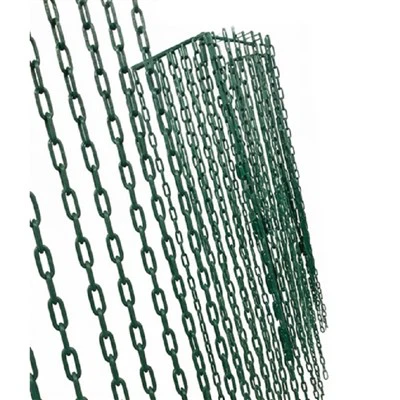
In conclusion, rigging chains can be suitable for use in chemical plants, but careful consideration must be given to the chemical compatibility, temperature, humidity, load capacity, and safety requirements. By selecting the right chain material, applying appropriate surface treatments, and performing regular maintenance and inspection, the challenges associated with using rigging chains in chemical plants can be effectively overcome.
Clothes Rack If you are in the chemical plant industry and are looking for reliable rigging chains, please do not hesitate to contact us. Our team of experts is ready to provide you with the best solutions and support to meet your needs. Let’s start a discussion about your rigging chain requirements and how we can help you ensure the safety and efficiency of your operations.
References
- ASME B30.9 – Slings
- ASTM A112 – Standard Specification for High-Strength Steel Chains, Alloy, for Overhead Lifting Purposes
- Corrosion of Metals in Chemical Environments – A Technical Report
Pujiang Shenli Chain Co., Ltd.
Address: No. 18, Zaifeng Road, Pujiang County, Zhejiang Province
E-mail: Chen@shenlichain.com
WebSite: https://www.chainshenli.com/
