Can a Mechanical Water Meter be Used for Industrial Water Measurement?
As a supplier of mechanical water meters, I’ve encountered numerous inquiries regarding the suitability of our products for industrial water measurement. This question is not only crucial for industries looking to manage their water consumption effectively but also for us as a provider to ensure that our clients receive the most appropriate solutions. In this blog, I’ll delve into the capabilities of mechanical water meters in an industrial setting and shed light on their various aspects. Mechanical Water Meter
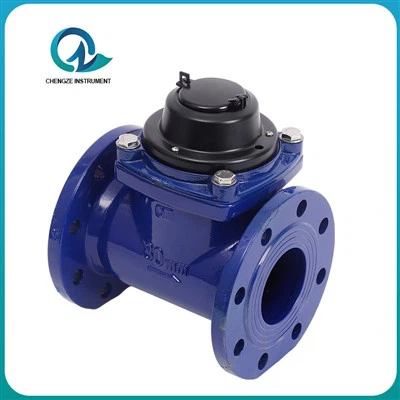
Understanding the Basics of Mechanical Water Meters
A mechanical water meter is a device that measures the volume of water flowing through a pipeline. It operates on the principle of mechanical movement. The most common types are the positive displacement and velocity meters.
Positive displacement meters work by trapping a fixed volume of water and then counting the number of times this volume is filled and emptied. These meters are highly accurate, especially for low – flow applications. They are like tiny water – capturing chambers that keep a meticulous record of every drop that passes through.
Velocity meters, on the other hand, measure the speed of water flow. They use components such as turbines or propellers that spin as water moves through the meter. The rotation speed is then translated into a measurement of the water volume. These meters are more suitable for high – flow situations.
Advantages of Using Mechanical Water Meters in Industrial Settings
One of the primary advantages of mechanical water meters in industries is their robustness. They are built to withstand harsh industrial environments. Industrial processes can expose meters to high pressures, temperature fluctuations, and the presence of contaminants in the water. Mechanical meters, with their solid construction and fewer electronic components, are less likely to malfunction due to these external factors. For instance, in a chemical manufacturing plant where the water may contain various chemicals, a mechanical meter can continue to function reliably as long as it is designed to resist corrosion.
Another benefit is their long – term reliability. Mechanical water meters have been around for a long time, and their design has been refined over the years. They have a proven track record of consistent performance. Many industrial facilities have mechanical meters that have been in operation for decades, providing accurate measurements throughout their lifespan. This reliability gives industries the confidence to trust these meters for their water measurement needs without the constant worry of frequent breakdowns or inaccurate readings.
Cost – effectiveness is also a significant factor. Mechanical water meters are generally more affordable than their electronic counterparts. For large – scale industrial applications where multiple meters may be required, the cost savings can be substantial. Moreover, the maintenance of mechanical meters is relatively simple and inexpensive. In many cases, basic repairs can be carried out by in – house maintenance teams, reducing the reliance on external technicians and minimizing downtime.
Accuracy is another area where mechanical water meters excel. In low to medium – flow industrial processes, positive displacement mechanical meters can provide extremely accurate measurements. This accuracy is crucial for industries that need to precisely monitor their water usage for cost – accounting, regulatory compliance, or process control purposes. For example, in a food and beverage industry, accurate water measurement is essential to ensure the quality and consistency of products.
Limitations of Mechanical Water Meters in Industrial Applications
However, mechanical water meters are not without their limitations. One of the main drawbacks is their limited ability to handle very high – flow rates. In industries such as power generation or large – scale manufacturing plants where the water flow can be extremely high, velocity – based mechanical meters may reach their maximum capacity. Beyond this capacity, the accuracy of the meter can be compromised, leading to inaccurate water volume measurements.
Another limitation is the lack of advanced data – logging and communication capabilities. In today’s digital age, industries are increasingly looking for meters that can provide real – time data and communicate with other industrial systems. Mechanical meters typically do not have built – in features for remote data access or integration with automation systems. This can make it difficult for industries to monitor and manage their water consumption in a centralized and efficient manner.
Mechanical meters also require regular mechanical maintenance. Components such as gears, bearings, and diaphragms can wear out over time, which may affect the accuracy of the meter. In some industrial environments where the water contains a high amount of sediment or debris, the internal parts of the meter can become clogged, leading to reduced performance or even complete failure if not addressed promptly.
Overcoming the Limitations
Despite these limitations, there are ways to overcome them and still effectively use mechanical water meters in industrial applications. For high – flow situations, multiple mechanical meters can be installed in parallel. This allows the water flow to be divided among the meters, ensuring that each meter operates within its optimal capacity range and maintaining accurate measurements.
To address the lack of data – logging and communication capabilities, external devices can be used. For example, pulse counters and data loggers can be connected to the mechanical meter. These devices can record the meter readings at regular intervals and transmit the data to a central monitoring system. Some companies also offer retrofit kits that can add basic communication features to existing mechanical meters, enabling them to be integrated into industrial automation networks.
Regular maintenance can be optimized through a preventive maintenance program. This involves setting up a schedule for inspections, cleaning, and replacement of worn – out parts. By proactively maintaining the mechanical meters, industries can extend their lifespan and ensure consistent accuracy.
Case Studies: Mechanical Water Meters in Industrial Use
Let’s look at a few real – world examples of how mechanical water meters are being used in industrial settings. In a textile manufacturing plant, positive displacement mechanical meters are used to measure the water consumption in the dyeing and finishing processes. The meters are able to provide accurate measurements despite the presence of dyes and chemicals in the water. The plant management uses these measurements to optimize their water usage, reducing costs and minimizing environmental impact.
In a small – to – medium – sized brewery, mechanical water meters are installed at various points in the production process. They help in monitoring the water intake for brewing, cleaning, and cooling. The brewery is able to ensure consistent product quality by precisely controlling the amount of water used in each batch. The reliability of the mechanical meters allows the brewery to operate without the interruption of inaccurate measurements.
Conclusion
In conclusion, mechanical water meters can indeed be used for industrial water measurement. Their robustness, long – term reliability, cost – effectiveness, and accuracy make them a viable option for many industrial applications. While they do have some limitations, these can be overcome through proper installation, maintenance, and the use of additional devices.

As a mechanical water meter supplier, we are committed to providing our customers with high – quality products and comprehensive solutions. Whether you are a small – scale industrial operation or a large – scale manufacturing plant, our mechanical water meters can meet your specific needs. If you are interested in exploring how our mechanical water meters can be integrated into your industrial water measurement system, we encourage you to contact us for a consultation. We can work with you to understand your requirements and provide the most suitable products and services.
IoT Remote Water Meter References
- "Handbook of Water Metering" – A comprehensive guide on water meters, including mechanical types.
- "Industrial Water Management: Best Practices" – A publication that covers various aspects of water measurement in industrial settings.
- Case studies from industrial clients using mechanical water meters for their water measurement needs.
Shandong Chengze Instrument Co., Ltd.
We’re well-known as one of the leading mechanical water meter manufacturers in China, featured by quality products and good service. Please rest assured to buy high-grade mechanical water meter for sale here from our factory. Also, customized service is available.
Address: No.7, Wensi Road North Industrial Park, Liguan Town, Lanshan District, Linyi City, Shandong Province, China
E-mail: czwatermeter@163.com
WebSite: https://www.cz-watermeter.com/
